Magic Mouthwash


Reader-supported. We may earn a commission from links on this page. Advertising disclosure.
In this article
Key Takeaways
- Magic mouthwash treats painful, inflamed mouth sores and oral mucositis.
- It combines several prescription ingredients that ease discomfort and promote healing.
- There’s no standard set of ingredients. Instead, a doctor or pharmacist recommends a formulation based on the specific symptoms and their severity.
- Magic mouthwash may be less effective than other mouth rinses.
What is Magic Mouthwash?
Magic mouthwash is a type of oral rinse. It can relieve the symptoms of mouth sores and soft tissue trauma, such as burns. Doctors commonly prescribe it to help with oral mucositis, a painful side effect of head and neck cancer treatments.
It’s a prescription mouthwash, and each formulation is different. But it typically contains a combination of active ingredients, including steroids, antihistamines, pain relievers, and antifungals.
It has other names, including Mary’s and Duke’s magic mouthwash.
Transform your smile with the best toothbrushes of 2026. Find your perfect brush here.
What’s in Magic Mouthwash?
Magic mouthwash contains various medications and active ingredients in different ratios. If someone has mouth sores, their doctor prescribes a specific ‘secret sauce’ or ‘recipe.’ A pharmacist then custom-makes (compounds) it.
Magic mouthwash usually contains:
- Nystatin — a medication that stops fungal growth and treats oral thrush (candidiasis).
- Steroids — hydrocortisone or dexamethasone, which ease irritation, pain, and inflammation.
- Diphenhydramine (Benadryl) — an antihistamine that reduces swelling and dries out mouth sores.
Other ingredients may include:
- Lidocaine — an anesthetic with a numbing effect to relieve pain.
- Chlorhexidine gluconate — an antiseptic that kills bacteria and reduces inflammation.
- Antacid — this helps the mouthwash coat the oral cavity. Examples include aluminum hydroxide and magnesium hydroxide.
How to Use Magic Mouthwash
Here are the steps for using magic mouthwash:
- Rinse your mouth with water and spit it out.
- Pour the prescribed dose of magic mouthwash into a sterile spoon or measuring cup.
- Place the mouthwash in your mouth.
- Swish the liquid around the mouth for 1 to 2 minutes.
- Spit it out, as swallowing can upset the stomach.
- Avoid eating or drinking for at least 30 minutes to allow the mouthwash to work.
Dosage
A doctor will prescribe a specific dosage of magic mouthwash. Your dose may depend on the type of mouthwash and the severity of your pain and mouth sores.
For example, in one specific magic mouthwash formula, a 240ml bottle contains:
- 30 milliliters (ml) of nystatin suspension at 100,000 units per ml
- 60 milligrams hydrocortisone
- Diphenhydramine HCL syrup to bring the total volume up to 240 ml
You may receive your mouthwash in small, individual dose containers or one large bottle containing multiple doses. The typical dose is around 30 ml.
Frequency of Use
How frequently you should use the magic mouthwash depends on your doctor’s recommendation. You can use magic mouthwash up to six times daily, usually after meals and before bedtime.
Depending on how well the mouthwash controls your symptoms, you may need to use it more or less often.
Potential Side Effects
Magic mouthwash is safe for most people. However, it can cause side effects, including:
- Dry mouth
- Irritation
- Pain
- Upset stomach
- Diarrhea
- Nausea
As with any medication, it can also cause allergic reactions. Report any side effects to your doctor. They can change the dose or recommend another treatment.
Explore our top-rated water flossers for 2026. See our recommendations.
Magic Mouthwash Cost and Where to Buy
Magic mouthwash costs depend on several factors, including your location, the pharmacy, and the product’s ingredients.
On average, expect to pay around $30 to $70 for magic mouthwash. In some cases, you may pay less with health insurance. But check with your insurance provider to check if it’s covered.
Magic mouthwash is prescription-level and is only available at compounding pharmacies, where pharmacists accommodate individuals with specific medication needs. Not all pharmacies compound medications, so ask your healthcare team to recommend a local pharmacy.
Over-the-Counter (OTC) mouthwash
In some cases, over-the-counter (OTC) mouthwashes may help with a sore mouth. If you’re considering an OTC product, talk to your pharmacist. They will let you know if it’s safe to use with any other medications you’re taking.
Some top-reviewed options include:
Uncle Harry’s Natural Alkalizing Miracle Mouthwash
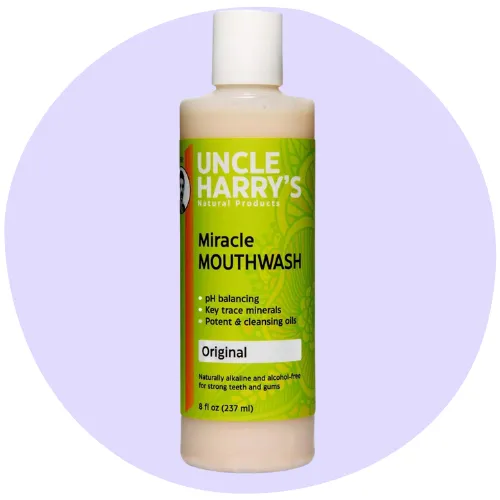
This includes pure and natural ingredients like silver, magnetic earth, and essential oils. This mouthwash is safe for sensitive mouths and painful mouth sores.
Oral-B Mouth Sore Mouthwash Special Care Oral Rinse
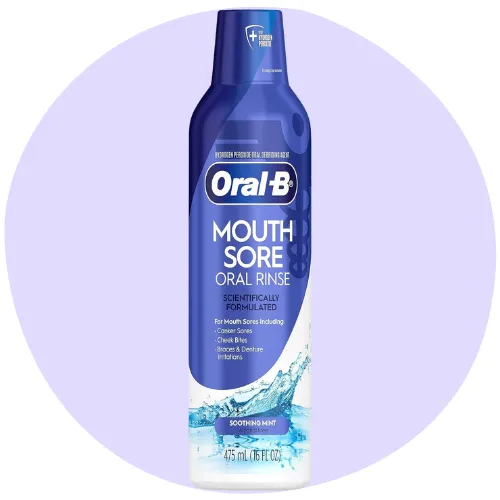
This mouthwash is specially formulated for treating mouth sores and irritation. This oral rinse contains hydrogen peroxide, cleanses wounds, and speeds healing.
Prevention Oncology Mouthwash
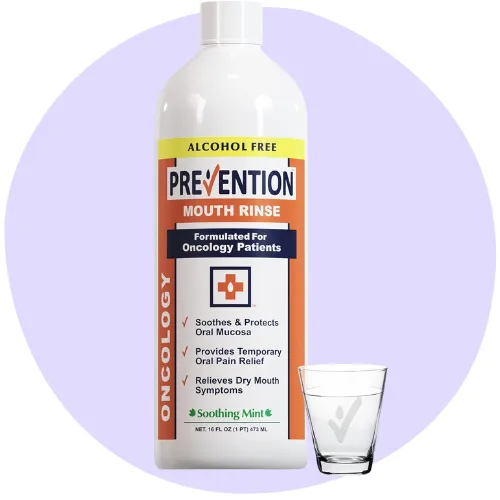
This mouthwash is specially formulated for people undergoing cancer treatment. This gentle mouth rinse soothes pain, controls uncomfortable mouth symptoms, and protects the mucosal lining.
GuruNanda Original Oil Pulling Oil
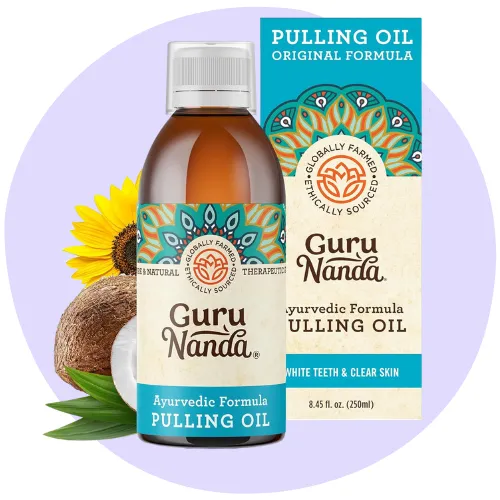
This includes pure and natural ingredients like silver, magnetic earth, and essential oils. This mouthwash is safe for sensitive mouths and painful mouth sores.
TheraBreath Healthy Smile 24-Hour Oral Rinse
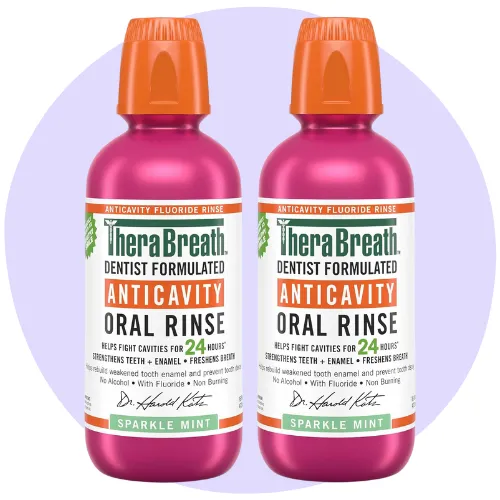
This dentist-formulated fluoride mouthwash helps strengthen tooth enamel and fight decay. It contains patented, halitosis-fighting ingredients to guarantee fresh breath.
These OTC options cost around $15 to $20. But remember that they’re not magic mouthwash and may not treat mucositis as effectively.
How Effective is Magic Mouthwash?
Almost everyone who has radiation for head and neck cancer and 1 in 4 people who have chemotherapy develop oral mucositis. Many people must stop cancer treatment because their mouth problems are so severe.
This is why there is a desperate need for treatments that relieve pain and inflammation from oral mucositis. Using magic mouthwash is one approach, but the research about its effectiveness is conflicting.
A 2016 randomized, double-blind study compared three types of mouthwash: magic mouthwash, doxepin, and a placebo. Researchers found that magic mouthwash and doxepin reduced radiation-induced oral mucositis pain compared to the placebo. In addition, the participants tolerated the mouthwash well.
A 2011 study evaluated if two types of mouthwash could prevent oral mucositis in people having head and neck radiation. The first was magic mouthwash plus sucralfate, a medication that treats and prevents intestinal ulcers. The second was benzydamine hydrochloride. The authors reported no differences between the two oral rinses.
Overall, there isn’t enough evidence to confirm the effectiveness of magic mouthwash. But most people tolerate it well, which may help reduce some symptoms.
Smile brighter, fight cavities, freshen breath – 2026’s best toothpastes deliver. See our expert picks here.
Alternative Treatments for Mouth Sores
There are other treatments that doctors may prescribe for mouth sores. They include:
- Pink lady — a combination of magic mouthwash ingredients plus an antacid (Maalox) and lidocaine.
- Noll’s solution — contains diphenhydramine, nystatin, a steroid, and a tetracycline antibiotic.
If you have painful mouth sores, there are other things you can do to ease discomfort. These include:
- Sucking on ice chips or sugar-free popsicles
- Drinking cold beverages
- Eating soft, bland foods
- Avoiding hot and spicy foods
- Avoiding acidic and processed foods
- Using a soft-bristled toothbrush
- Avoiding alcohol-containing mouthwashes
You can also try rinsing your mouth with a saline solution. You can make a saltwater mouth rinse by combining the following:
- 8 ounces of water
- 1 teaspoon of salt
- 2 teaspoons of baking soda
According to some experts, this saltwater rinse can be as effective as magic mouthwash in treating oral mucositis.
How to Make Magic Mouthwash At Home
Unless your doctor says otherwise, attempting to make magic mouthwash at home isn’t recommended. Your doctor must prescribe magic mouthwash, so you’ll have trouble getting the right ingredients in the proper proportions. The wrong combination of ingredients could do more harm than good.
Your doctor or dentist may suggest making a non-prescription version called “magic mouthwash lite.” It only includes OTC ingredients, such as diphenhydramine and antacids. Only try this if a healthcare professional provides specific instructions.5
Fresher breath, healthier gums, stronger teeth – find it all in 2026’s best mouthwashes. Explore the top picks here.
Sources
- “Diphenhydramine hydrochloride/dexamethasone/nystatin magic mouthwash.” National Cancer Institute.
- “Magic mouthwash.” American Academy of Nursing.
- Sarvizadeh, M., et al. “Morphine mouthwash for the management of oral mucositis in patients with head and neck cancer.” Advanced Biomedical Research. 2015.
- Kravitz, N.D, et al. “Magic mouthwash demystified.” Journal of Clinical Orthodontics. 2020.
- Oncology Nursing Society. “Mucositis.”
- Miller, R. C., et al. “A Phase III, Randomized Double-Blind Study of Doxepin Rinse versus Magic Mouthwash versus Placebo in the Treatment of Acute Oral Mucositis Pain in Patients Receiving Head and Neck Radiotherapy with or without Chemotherapy (Alliance A221304).” International Journal of Radiation Oncology Biology Physics. 2016.
- Kuk, J. S., et al. “A randomized phase III trial of magic mouthwash and sucralfate versus benzydamine hydrochloride for prophylaxis of radiation-induced oral mucositis in head and neck cancer.” Journal of Clinical Oncology. 2011.
- “Magic mouthwash explained.” Family Practice Oncology Network Journal. 2014.

UCLA-trained dentist practicing in public health. Focuses on whole-body approach to dental care.

Public health expert and copywriter covering various health topics, including dentistry.
Related Articles
Is Xylitol Toothpaste Good For You?
Want to know all about xylitol toothpaste? This article discusses what it is, its benefits, effects, potential side effe...

Tongue Piercing Infection: Symptoms, Treatment & Prevention
Tongue Ring Infections: How They Develop A tongue ring is a piece of jewelry that's inserted through a pierced hole in t...
Why Does the Roof of My Mouth Hurt?
A sore spot on the roof of your mouth can make eating, drinking, and talking uncomfortable. Although most causes are min...
What is a Gum Stimulator?
What are Gum Stimulators? Gum stimulators are devices that resemble a toothbrush. But instead of a brush head, they have...