Do Cavity Fillings Hurt?


Reader-supported. We may earn a commission from links on this page. Advertising disclosure.
In this article
Dental fillings may cause discomfort, but the procedure should only cause mild to no pain. Several factors will determine your pain levels, including:
- The severity of the cavity or cavities needing to be filled
- The kind of anesthesia you’re provided
- Infections in or near the tooth being treated
- Your pain tolerance
- Any medications you may be taking
Getting a cavity filled should restore teeth and reduce pain, not add to it. It’s far more painful to leave your cavities untreated. Without a filling, cavities can result in severe pain, infection, swelling, and dental abscesses.
What are the Steps of a Filling Procedure?
Modern dentistry prioritizes patient comfort, and getting a filling is typically a straightforward process.
Here’s a step-by-step breakdown:
- Numbing the area — Your dentist will begin by numbing the area around the affected tooth with a local anesthetic. They might apply a numbing gel first to minimize any discomfort from the injection.
- Removing decay — Once the area is numb, the dentist will use a drill or laser to carefully remove the decayed portion of your tooth. This ensures a clean and healthy foundation for the filling.
- Preparing the cavity — The dentist will clean the cavity and may apply a conditioning gel to help the filling material bond securely to your tooth.
- Placing the filling — The filling material, which could be composite resin, amalgam, or another suitable option, is placed in layers and hardened with a light specifically for composite fillings.
- Shaping and polishing — The dentist will shape the filling to match your natural bite and polish it for a smooth finish, ensuring your comfort and preventing any interference with your bite.
Don’t hesitate to ask your dentist to explain each step as they go along. This can help ease any anxiety and make you feel more comfortable.
Do All Dental Fillings Need to Be Numbed?
Not every cavity filling requires local anesthesia. If your cavity only affects your enamel or the surface layer of your tooth, your dentist may not numb you for the procedure.
Your tooth enamel doesn’t contain cells that can transmit pain to your tooth nerve. A minor cavity that only involves a small filling won’t be painful, even if you opt out of anesthesia or numbing.
Do Dental Fillings Hurt After You Get Them?
You’ll likely still be numb immediately after the procedure, so you won’t feel anything until the anesthesia wears off. It’s normal to feel some discomfort for a day or two following the procedure.
You may initially notice bleeding on the gums and heightened tooth sensitivity to hot or cold foods/drinks and cold air. All of these symptoms should be temporary and mild. After a day or two, you should be able to eat and drink as usual.
Contact your dentist if you experience severe pain, swelling, or fever. You may have an infection, an allergic reaction to the filling material, or further damage to your tooth or nerve.
What Should You Expect During Recovery?
After your filling, you might experience some temporary sensitivity as your mouth adjusts. If your bite feels uneven, contact your dentist for an adjustment. This ensures proper alignment and prevents discomfort or damage to the filling.
While most fillings heal without complications, it’s important to know when to contact your dentist:
- Severe or persistent pain — If the sensitivity doesn’t subside within a couple of weeks or you experience throbbing pain, it could indicate an issue that needs further attention.
- Dislodged or cracked filling — If your filling feels loose, falls out, or cracks, contact your dentist for a replacement.
- Swelling or infection — If you notice swelling, redness, or signs of infection around the filled tooth, seek dental advice promptly.
Tips for Preventing Further Cavities
Dr. Aggarwal explains that some people are more at risk for developing cavities than others, particularly for genetic reasons. While these genetic factors can’t be changed, you can take some simple steps to keep cavities at bay.
Dr. Aggarwal recommends:
- Regular brushing and flossing
- Using a fluoridated mouth rinse
- Considering a fluoride supplement
While dental fillings are a common procedure, it’s essential to prioritize your oral health to prevent future cavities. If you have any concerns about dental fillings or your oral health in general, don’t hesitate to consult with a qualified dentist.
Sources
- “Lidocaine (Local).” American Society of Health-System Pharmacists, Drugs.com, 2023.
- Jirau-Colón et al. “Rethinking the Dental Amalgam Dilemma: An Integrated Toxicological Approach.” International Journal of Environmental Research and Public Health, National Library of Medicine, 2019.
- Ueno et al. “Local anesthetic failure associated with inflammation: verification of the acidosis mechanism and the hypothetic participation of inflammatory peroxynitrite.” Journal of Inflammation Research, National Library of Medicine, 2008.
- Shilpapriya et al. “Effectiveness of new vibration delivery system on pain associated with injection of local anesthesia in children.” Journal of the Indian Society of Pedodontics and Preventive Dentistry, National Library of Medicine, 2015.
- Frank et al. “How acidic is the lidocaine we are injecting, and how much bicarbonate should we add?” The Canadian Journal of Plastic Surgery, National Library of Medicine, 2012.

UCLA-trained dentist practicing in public health. Focuses on whole-body approach to dental care.

Experienced dental health writer dedicated to providing accurate, accessible information.
Related Articles

How to Get Rid of Tonsil Stones Yourself: 6 Home Remedies
Are you wondering how to get rid of tonsil stones? This article lists six ways you can get rid of them yourself at home.

Laser Teeth Whitening: Pros, Cons, & Costs
Laser teeth whitening uses light energy to break down stains on tooth enamel. Learn more about the cost and how it works...

Tooth Sensitive to Cold: Causes, Remedies, and Prevention
Is your tooth sensitive to the cold? Here's what you need to know about the causes, remedies, and prevention of teeth se...
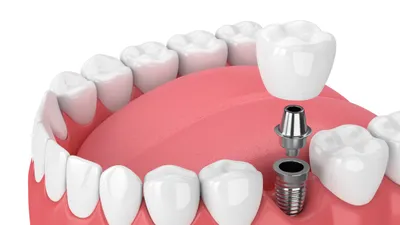
How to Get Low-Cost Dental Implants
Dental implants can be one of your best options if you're suffering from damaged or missing teeth. Read on to find out h...