What Is Cheilitis?


Reader-supported. We may earn a commission from links on this page. Advertising disclosure.
In this article
Key Takeaways
- Cheilitis is a broad term referring to acute or chronic inflammation of the lips.
- Chapped lips, angular cheilitis, and inflammation due to allergies or infections are all possible forms of cheilitis.
- Keeping your lips protected and moisturized may be enough to address a mild case of chapped lips, but some cases may need a professional diagnosis.
- If you have a sudden change in the appearance of your lips, or your lips are constantly cracking or peeling, it’s best to see a doctor.
- You should especially seek medical attention if you’re in pain or have symptoms affecting other areas of your body.
What is Cheilitis?
Cheilitis is a general term for lip inflammation. It can be acute or chronic and affect the following:
- Lips
- The skin around your mouth
- The lining inside your lips
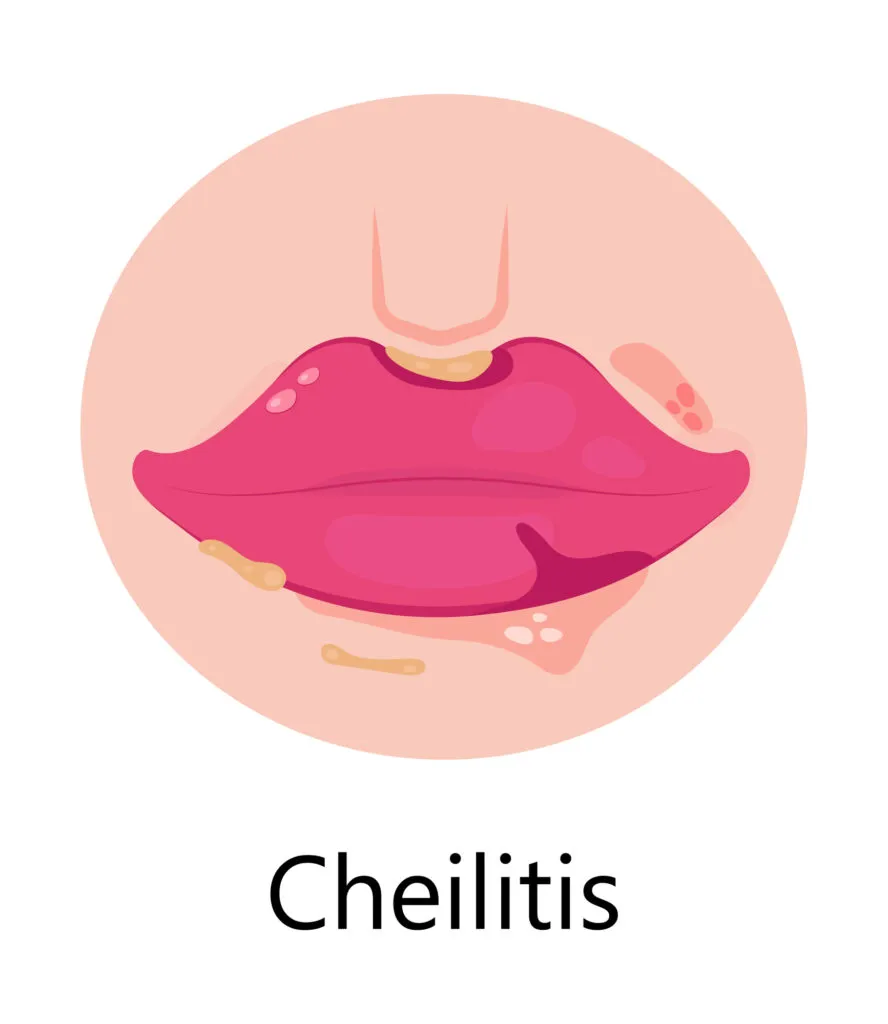
Lip dryness, chronic exposure to the sun, allergies, and infections can all cause your lips to become inflamed. Here are various forms of cheilitis and how you can treat them:
Chapped Lips
Chapped lips are sometimes referred to as common cheilitis or cheilitis simplex. You may notice that your lips crack, peel, and develop deep grooves (fissures). This condition is very common and can have a variety of causes, including:
- Frequent lip licking
- Lip picking
- Cold or dry weather
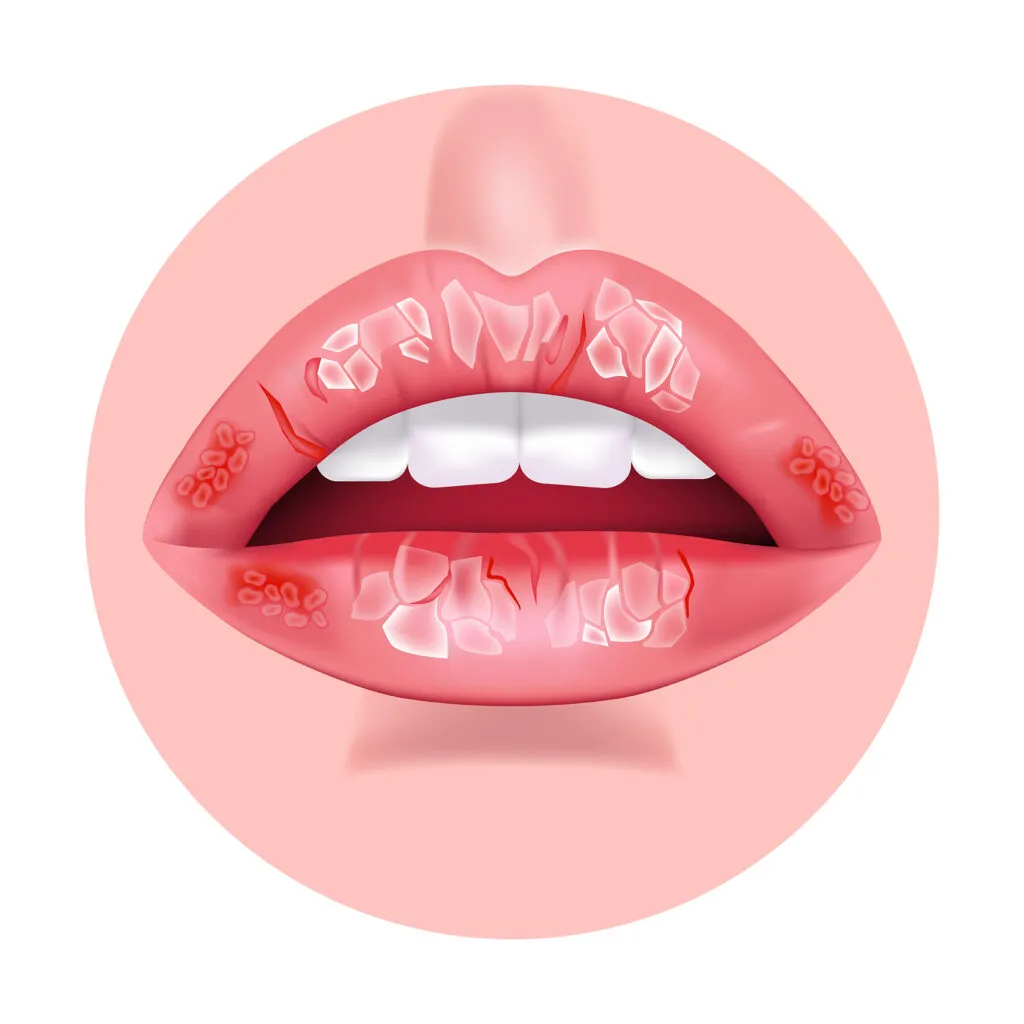
You may lick your lips to moisten them, but excessive lip licking can worsen the problem. Your lips may become irritated and dehydrated as the saliva evaporates.
Lip balm can help alleviate lip chapping, but many common ingredients in lip balms have the potential to make the problem worse. It may be best to use a bland or hypoallergenic balm, such as petroleum jelly.
Eczematous Cheilitis
Eczematous cheilitis, or lip dermatitis, covers many common lip conditions. It refers to lip irritation from an external cause (a form of contact dermatitis) or an internal one (atopic dermatitis).
Many common ingredients in lip cosmetics and lip balms, such as lanolin and eucalyptus oil, can cause allergic contact cheilitis. However, sometimes the cause is unknown.
Additionally, people who constantly lick their lips may develop another form of eczematous cheilitis known as lip licker’s dermatitis. A red, crusty ring appears around the lips due to the skin being irritated by saliva.
Angular Cheilitis
Angular cheilitis, or angular stomatitis, is inflammation of the corners of the mouth. Dehydration and chronic conditions like celiac disease can be a factor in developing angular cheilitis.
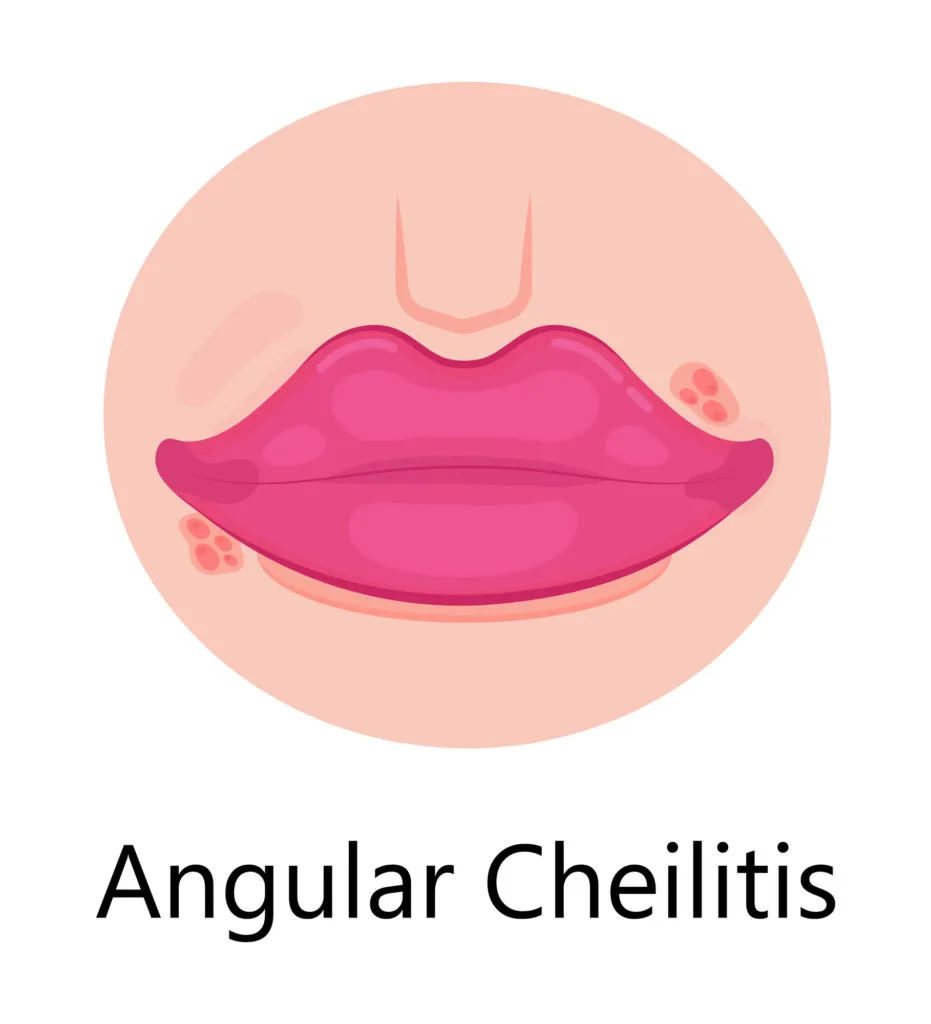
However, the condition is often associated with:
- Iron and vitamin B deficiencies
- Infections such as oral thrush
- Allergic reactions
People missing most or all of their teeth can also develop angular cheilitis. This is due to the mouth overclosing, with the lips folding in. It may occur together with denture stomatitis.
Infectious Cheilitis
Infectious cheilitis refers to any lip inflammation caused by an infection. Cold sores caused by oral herpes may be the most common form of infectious cheilitis.
Some of the known causes of infectious cheilitis include:
- Strep
- Staph infections
- Oral thrush
Poor oral hygiene and nutritional deficiencies can be contributing factors.
Actinic Cheilitis
Actinic cheilitis is caused by overexposure to the sun. UV rays from the sun can cause your lips (especially your lower lip) to become pale, wrinkled, and dry.
This form of cheilitis is more likely to occur if you:
- Spend many hours outdoors
- Have a lighter skin tone
- Live in a sunny climate.
In some cases, actinic cheilitis may develop into oral squamous cell carcinoma, the most common form of oral cancer.
Other Types
Other types of lip inflammation include:
- Orofacial granulomatosis — A painful condition affecting the mouth, lips, and face, possibly related to Crohn’s disease
- Exfoliative cheilitis — A condition where thick brown scales form on the edges of the lips, often related to stress, depression, or thyroid problems
- Drug-related cheilitis — Sometimes caused by vitamin A supplements, certain antivirals, or other drugs
- Cheilitis glandularis — An infection of the minor salivary glands in the lower lip, which can cause it to swell and turn outwards
What Causes Cheilitis?
As we discussed above, cheilitis can have various internal and external causes. The most common causes of cheilitis include:
- Licking or picking at your lips
- Chronic irritation
- Infections
However, cheilitis can also result from sun overexposure, other inflammatory conditions, and nutritional deficiencies, among other causes. Unfortunately, people often lick their lips or otherwise irritate them to alleviate the inflammation, creating a vicious cycle.
What are the Symptoms of Cheilitis?
The exact appearance and symptoms of cheilitis will vary depending on the cause and the person but may include the following:
- Lip dryness
- Flaking or scaling of your lips themselves or nearby areas of skin
- Discoloration of the lips (notably pale, redder than usual, etc.)
- Deep pits, wrinkles, or fissures in your lips
- Redness of the skin surrounding your lips
- Lip swelling
- Pain or itching
Some causes of lip inflammation, such as granulomatosis, may also affect other parts of your mouth and face.
Is Cheilitis Contagious?
In general, no. Even oral yeast infections typically aren’t contagious since they tend to be brought on by a weakened immune system.
However, one notable exception is oral herpes. Avoid kissing or sharing food and utensils if you have an open cold sore on your lip.
How is Cheilitis Diagnosed?
Doctors can generally identify cheilitis based on the appearance of your lips and the symptoms you report. To narrow down the cause of your lip inflammation, your doctor may conduct the following:
- A patch test to identify allergies
- A blood test
- Another diagnostic test
They’ll also note whether you have symptoms affecting other body parts.
What Treatments Are Available for Cheilitis?
The right course of treatment for cheilitis will depend on the underlying cause. It can include any of the following:
- A topical medication or ointment, such as hydrocortisone cream or petroleum jelly
- Eliminating any habits that may have contributed to cheilitis
- Lifestyle changes, such as avoiding specific allergens, eating a nutrient-rich diet, or reducing sun exposure
- Dietary supplements, such as iron, folate (B9), or B12
- Antibiotics or antifungal medications
- Dental work (if your lips are inflamed because of tooth loss or poor denture fit)
- Discontinuing certain medications if they’re causing cheilitis
The most widely applicable treatment is to keep your lips hydrated. However, some people are sensitive to common lip balm ingredients, making irritant contact cheilitis worse. Getting an allergy test and using a hypoallergenic lip balm can help prevent this.
What Is Cheilitis?
NewMouth PodcastSources
- Fonseca et al. "Art of prevention: Practical interventions in lip-licking dermatitis." International Journal of Women's Dermatology, 2020.
- Lugović-Mihić et al. "Differential Diagnosis of Cheilitis - How to Classify Cheilitis?" Acta Clinica Croatica, 2018.
- Wang et al. "Analysis of clinical presentations, lip transepidermal water loss and associated dermatological conditions in patients with chronic cheilitis." Scientific Reports, 2022.
- Federico et al. "Angular Cheilitis." StatPearls, 2023.
- Kern et al. "Granulomatous cheilitis — is there a role for allergen screening and avoidance?" Journal of Dermatological Treatment, 2023.
- Vasilovici et al. "Actinic Cheilitis — From Risk Factors to Therapy." Frontiers in Medicine, 2022.
- Burns et al. "Artifactual pseudo-cheilitis: A case series of an underreported condition." JAAD Case Reports, 2021.
- Lugović-Mihić et al. "Factors Participating in the Occurrence of Inflammation of the Lips (Cheilitis) and Perioral Skin." Cosmetics, 2023.

UCLA-trained dentist practicing in public health. Focuses on whole-body approach to dental care.

Experienced dental health writer dedicated to providing accurate, accessible information.
Related Articles
Tooth Filling Fell Out
If you've lost a filling, don't panic! We discuss the five steps you need to take if your filling falls out so that your...

What is Eagle Syndrome?
What is Eagle Syndrome? Eagle syndrome (or styloid syndrome) is a rare condition that can cause sharp jaw and neck pain,...
What to Consider When Getting an Inner Lip Tattoo
In recent years, lip tattoos have become more widely known. They include inner lip tattoos as well as permanent lip line...
What Causes Bumps Under the Tongue?
It's common to notice bumps, bubbles, or pimples under your tongue (ventral surface). They may appear suddenly and may n...