What Is Stomatitis? Types and Treatment of Mouth Inflammation


Reader-supported. We may earn a commission from links on this page. Advertising disclosure.
In this article
Stomatitis is inflammation in your mouth, including your gums, cheeks, tongue, lips, or palate (roof of your mouth). It includes canker sores, denture sores, and mouth sores from chemotherapy.
Stomatitis can be caused by viruses, yeast, allergies, or other causes. The type you have determines how to treat it.
What Does Stomatitis Mean?
The word “stomatitis” comes from the Greek word stoma (mouth) and -itis (inflammation). Some types cause ulcers (open sores) and others may just look like a red, swollen, or white patch.
Other terms you may hear for common oral conditions like stomatitis:
- Gingivostomatitis: Inflamed gums and mouth, usually from your first herpes infection
- Glossitis: Inflamed tongue
- Cheilitis: Inflamed lips
- Oral mucositis: Inflammation in your mouth from chemotherapy or radiation. It’s sometimes used interchangeably with stomatitis, but stomatitis is broader and includes inflammation from infections and other causes.
Common Symptoms of Stomatitis
Symptoms depend on the type you have. Most types cause:
- Soreness or burning in your mouth or lips
- Open sores, blisters, or red or white patches
- Pain when eating, drinking, or brushing your teeth
Types of Stomatitis
Here are the seven main types of stomatitis.
Recurrent Aphthous Stomatitis (Canker Sores)
Recurrent aphthous stomatitis is the medical term for canker sores. They’re the most common type, affecting up to 25% of people worldwide.2 These round, shallow ulcers have a white or yellow center and red border.
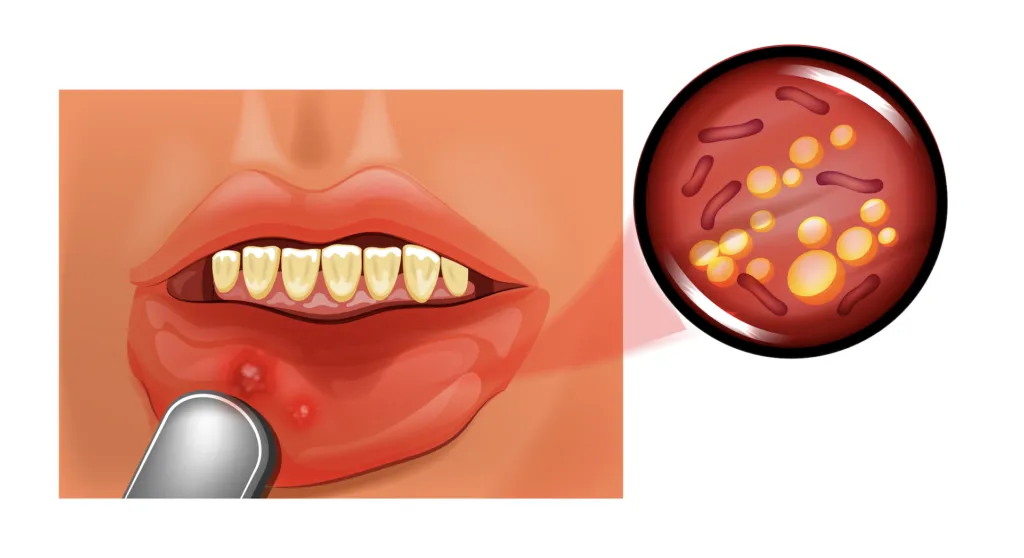
Unlike cold sores, canker sores aren’t contagious and go away on their own, but they tend to recur. Since they’re open sores, not fluid-filled blisters, there’s nothing to pop or drain from them.
Herpetic Stomatitis (Oral Herpes)
Herpetic stomatitis is usually caused by herpes simplex virus type 1 (HSV-1). The first infection, primary herpetic gingivostomatitis, is a common cause of fever, swollen gums, and mouth sores in toddlers.
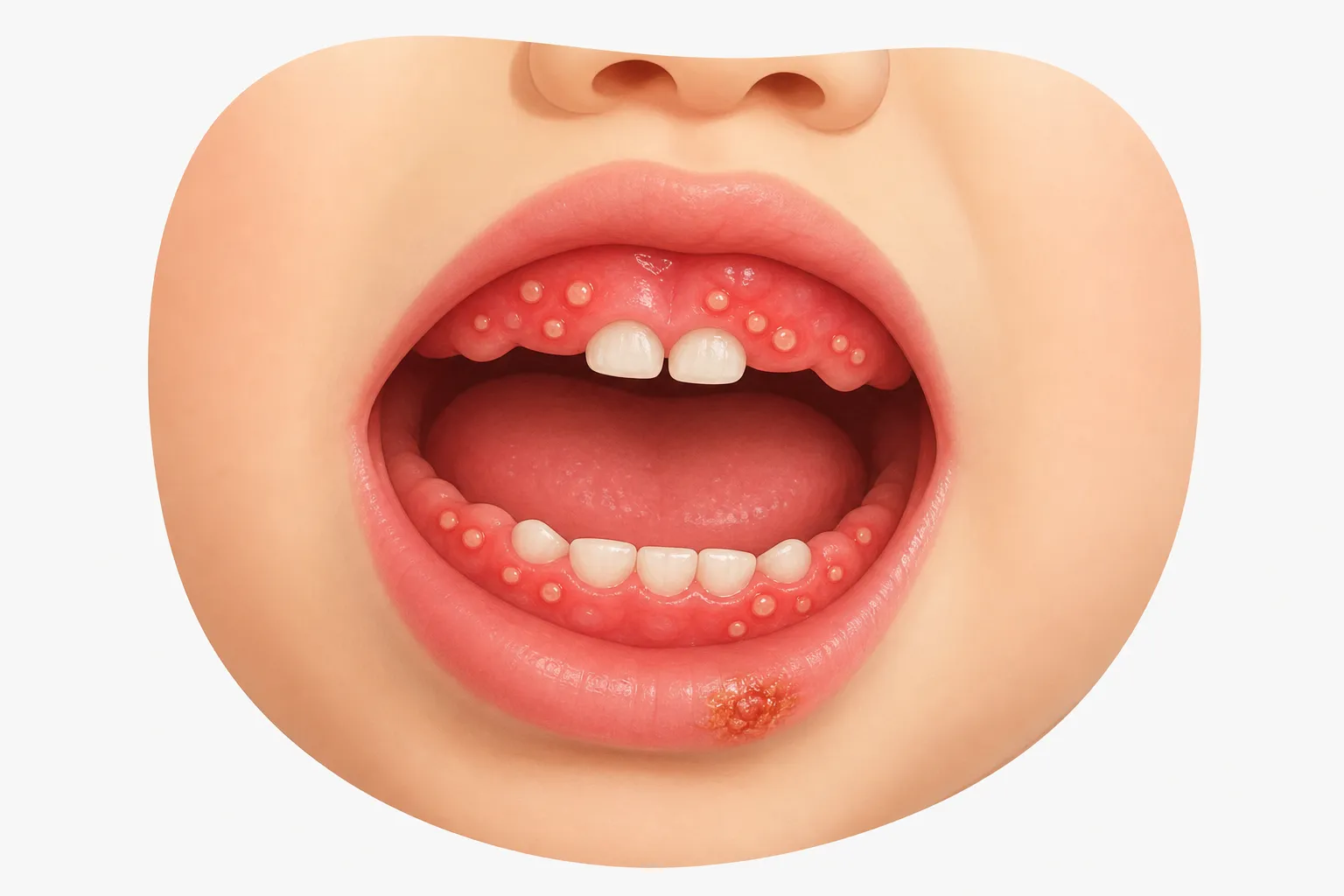
After that, the virus stays in your body and usually reactivates as cold sores on your lips. Antivirals work best if you take them at the first sign of symptoms.
Denture Stomatitis
Denture stomatitis is a red, swollen area under a removable denture (usually upper). It’s associated with an overgrowth of Candida, the yeast that also causes oral thrush.
Denture stomatitis is more common if you don’t clean your denture regularly, it doesn’t fit properly, or you sleep in it. People with diabetes and dentures may have a higher risk.6
Angular Cheilitis
Angular cheilitis (or angular stomatitis) is a red, cracked area at the corner of your mouth.
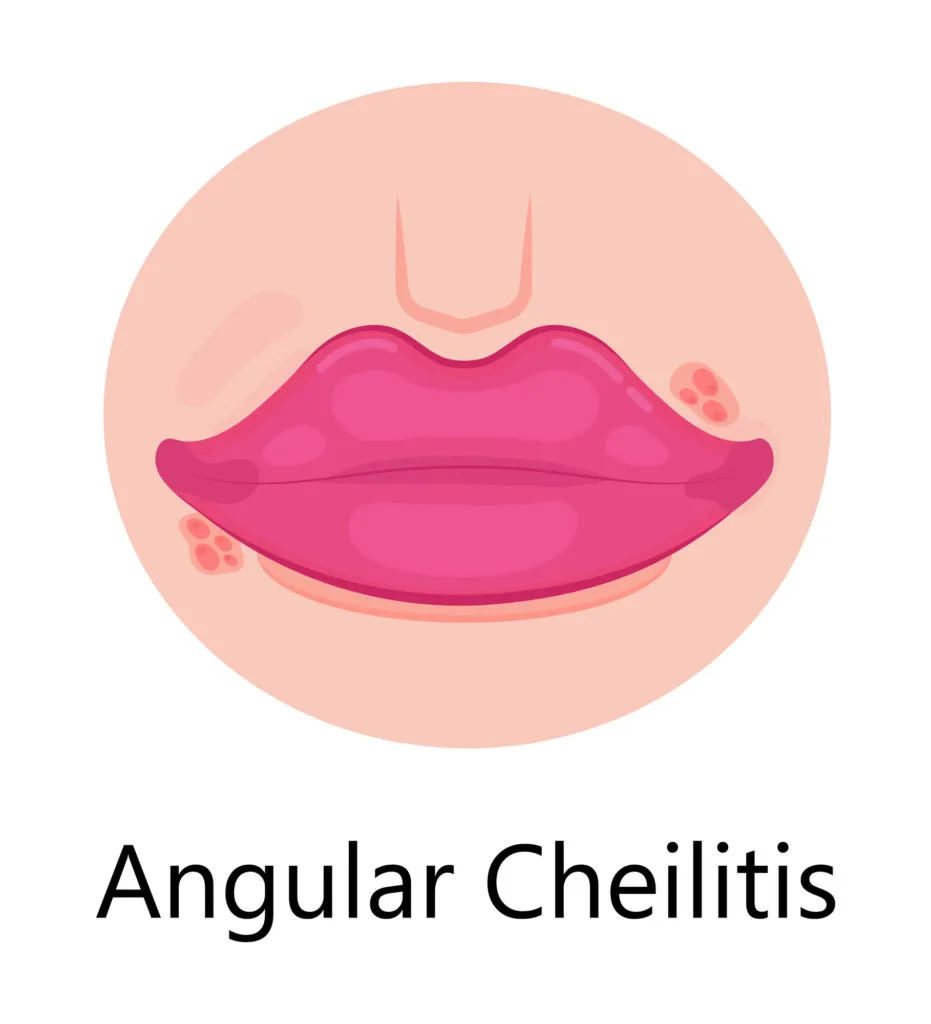
It’s caused by saliva collecting at the corners from licking your lips, drooling, or loose dentures. The cracks can then become infected with yeast or bacteria. It may also be related to low iron or B vitamins.
Allergic (Contact) Stomatitis
Allergic stomatitis is a reaction to something that touches your mouth, like cinnamon, mint, metal in dental work, or toothpaste. It causes a red, swollen, and sore area, sometimes with burning. It should resolve once you avoid the trigger.
Geographic Tongue and Migratory Stomatitis
Geographic tongue causes harmless, smooth, red patches with white borders that move around your tongue. They can sting when you eat spicy or acidic foods. Similar patches elsewhere in your mouth are called migratory stomatitis.
Necrotizing Stomatitis
Necrotizing stomatitis is a rare, severe type where tissue damage spreads beyond your gums into other mouth tissues and can expose or destroy bone. It’s at the far end of the same spectrum as trench mouth, which is a severe infection of your gums.
Symptoms include sudden, severe gum pain, bleeding, gray dead tissue, bad breath, and fever. It mostly affects people with weakened immune systems or severe malnutrition. If you think you have it, see a dentist the same day.
Causes of Stomatitis
Some types are caused by viruses, yeast, or bacteria, but these five factors can trigger or worsen stomatitis.
Nutritional Deficiencies
Low iron, folate, or vitamin B12 are related to recurring canker sores. A 2024 review of studies found that people with frequent canker sores had lower vitamin B12 and hemoglobin.10
Allergies or Irritation
Beyond allergies, rubbing from a sharp tooth, braces or cheek biting inflames the lining, and so do very hot drinks.
Repeated heat damage, like from smoking a pipe or cigar, can cause nicotine stomatitis, a white area with red dots on your palate. It usually resolves after you stop smoking.
Stress
Stress can trigger canker sores and reactivate the herpes virus, leading to cold sores. Managing stress, improving your sleep, or identifying your triggers may help reduce flare-ups for some people.
Chronic Illnesses
Other conditions that affect your whole body can also contribute to stomatitis, including:
- Diabetes.
- Crohn’s disease.
- Celiac disease.
- HIV infection and other immune system problems.
- Behçet disease, a rare disorder that inflames blood vessels.
HIV infection weakens your immune system, which raises the risk of mouth ulcers, oral thrush, and necrotizing stomatitis. It can also cause white patches that don’t wipe off, such as oral hairy leukoplakia.
Cancer Treatment and Other Medications
Chemotherapy, treatment before a stem cell transplant, and radiation that reaches your mouth or throat can all cause oral mucositis.1 Many other medicines can cause mouth sores as a side effect.
How Is Stomatitis Diagnosed?
Most types can be diagnosed with a mouth exam and your medical history. If the cause isn’t clear, your dentist or doctor may do other tests, such as:
- Blood tests for low iron, folate, or vitamin B12
- Swab tests for yeast, herpes, or bacterial infections
- A biopsy (a small tissue sample) from a sore that doesn’t heal, to rule out oral cancer
How to Treat Stomatitis
Treatment depends on the type. Many mild mouth sores improve within 1 to 2 weeks. Infections, denture stomatitis, cancer-treatment mucositis, necrotizing disease and recurrent ulcers may need cause-specific treatment and follow-up.
Depending on the type, your dentist or doctor may prescribe or suggest:
- Canker sores: Numbing gels, protective pastes, or a prescription corticosteroid paste or rinse for large or frequent sores
- Herpetic stomatitis: Antiviral medicines such as acyclovir
- Denture stomatitis: Antifungal medicines such as nystatin or miconazole and improved denture care and fit
- Angular cheilitis: Antifungal or antibacterial cream
- Necrotizing stomatitis: Urgent specialist care, which can include removing dead tissue or bone, antibiotics, antiseptic rinses, and treating any underlying illness or malnutrition
- Nutrient gaps: Supplements if blood tests show your levels are low
- Oral mucositis: Special rinses, pain medicines, or ice chips, managed by your cancer team
Home Care While Your Mouth Heals
For any type of stomatitis, it helps to:
- Rinse your mouth with warm salt water, then spit it out. Skip this for children who can’t reliably rinse and spit.
- Eat soft, cool foods, and avoid spicy or acidic ones.
- Take an over-the-counter pain reliever or use a pain-numbing gel that suits your age and health, as directed.
Don’t use numbing products that contain benzocaine in children under 2, because they can cause a rare but life-threatening blood problem. During cancer treatment, ask your cancer team before using pain relievers or numbing gels. Report any fever to them before you take medicine to bring it down.
How to Prevent Stomatitis
Not all types can be prevented, but you can lower your risk by:
- Cleaning your dentures every day and removing them at night.
- Avoiding certain flavors or ingredients you’ve reacted to.
- Not using tobacco products.
- Seeing your dentist as often as they recommend.
When to See a Dentist or Doctor
Have a dentist or doctor check any mouth sore, patch or swelling that lasts more than two weeks.12 A dentist is the right first stop for most types, including canker sores, denture sores and gum infections.
Start with your doctor or your child’s pediatrician when a fever, a rash or stomach symptoms come with the sores. If sores start during cancer treatment, call your cancer team.
Call 911 or Go to the ER
Call 911 or go to the ER if mouth sores or swelling come with:
- Trouble breathing, swallowing or speaking
- Swelling that’s severe or quickly getting worse, or that spreads around an eye or into your neck
- A swollen or painful eye, vision changes or a lot of swelling inside your mouth
- Trouble opening your mouth along with facial swelling
- A blistering or peeling rash, especially after a new medicine
- Signs of severe dehydration in a child or adult, such as being very sleepy or hard to wake, confusion, or cold, pale or blotchy skin
Call 911 if swelling makes it hard to breathe, swallow or speak. Also call 911 if you or your child becomes confused, passes out or is hard to wake.
A fever of 100.4°F (38°C) or higher during chemotherapy is a medical emergency. Call your cancer team right away, and go to the ER if you can’t reach them quickly. If your team gave you a lower fever limit, use that one.
Book an Appointment If You Notice
- A sore, red or white patch, or lump that lasts more than two weeks
- A white patch that doesn’t wipe off, which a dentist or doctor should check
- New cheek or jaw swelling without the emergency signs above. See a dentist the same day, or go to the ER if you also have a fever and can’t see one right away. Swelling with a fever but no clear dental cause needs medical care the same day.
- Signs of dehydration, such as peeing much less than usual, fewer wet diapers or crying without tears. Call your doctor or pediatrician right away, or get emergency care if the warning signs above appear.
- Fever and many mouth sores in a young child, which can signal primary herpetic gingivostomatitis or another childhood viral illness, such as hand-foot-and-mouth disease. It risks dehydration if eating and drinking become too painful, so call the pediatrician the same day.
- Sudden, severe gum pain with bleeding, a foul smell or fever, especially if your immune system is weak. See a dentist the same day.
- New mouth sores during chemotherapy. Tell your cancer team right away.
- New mouth sores or a fever during radiation. Call your cancer team the same day.
- Mouth ulcers that keep coming back, especially with diarrhea, belly pain or weight loss
What Is Stomatitis And How Does It Affect Oral Health
NewMouth PodcastSources
- PDQ Supportive and Palliative Care Editorial Board. "Oral Complications of Cancer Therapies (PDQ®): Health Professional Version." National Cancer Institute, National Institutes of Health, 2024.
- Plewa MC, Chatterjee K. "Recurrent Aphthous Stomatitis." StatPearls, National Center for Biotechnology Information, 2023.
- "Fever Blisters & Canker Sores." National Institute of Dental and Craniofacial Research, National Institutes of Health, 2024.
- Aslanova M, et al. "Herpetic Gingivostomatitis." StatPearls, National Center for Biotechnology Information, 2023.
- "Denture Stomatitis: Symptoms, Causes & Treatment." Cleveland Clinic, 2025.
- Martorano-Fernandes L, et al. "Oral candidiasis and denture stomatitis in diabetic patients: Systematic review and meta-analysis." Brazilian Oral Research, 2020.
- "Angular Cheilitis: What It Is, Symptoms, Causes & Treatments." Cleveland Clinic, 2021.
- "Contact Stomatitis." DermNet, 2010.
- Gasner NS, Brizuela M, Schure RS. "Necrotizing Periodontal Diseases." StatPearls, National Center for Biotechnology Information, 2025.
- Mousavi T, Jalali H, Moosazadeh M. "Hematological parameters in patients with recurrent aphthous stomatitis: a systematic review and meta-analysis." BMC Oral Health, 2024.
- "HIV/AIDS & Oral Health." National Institute of Dental and Craniofacial Research, National Institutes of Health, 2024.
- "Oral Cancer." MouthHealthy, American Dental Association, 2026.

UCLA-trained dentist practicing in public health. Focuses on whole-body approach to dental care.

Experienced dental health writer dedicated to providing accurate, accessible information.
Related Articles

Are Tonsil Stones Contagious?
No, tonsil stones aren't contagious. They form from debris trapped in your own tonsils. Learn what kissing can spread, h...

Black Tongue: Why Is My Tongue Black?
Most black tongues are black hairy tongue or a stain from bismuth medicine, coffee or tobacco. Learn the causes, how to...
Black Triangles Between Your Teeth
When you look in the mirror, you may notice small black triangles between your teeth. These are gaps that your gum tissu...

Bleeding Gums: Causes, Remedies & Treatment
Bleeding gums can be a sign of gum disease. They can also be caused by other things like brushing too hard or hormonal c...