What Is a Deep Bite (Deep Overbite)?


Reader-supported. We may earn a commission from links on this page. Advertising disclosure.
In this article
What is a Deep Bite (Deep Overbite)?
A deep bite is also called a deep overbite, excessive overbite, or closed bite. It is a malocclusion where the upper front teeth excessively overlap the lower front teeth when the mouth is closed.
This can cause the lower front teeth to bite into the gum tissue or palate behind the upper front teeth. A deep bite can sometimes also be an esthetic concern. It may also indicate that there are other issues to address.> Straighten your teeth at a fraction of the cost. Learn about clear aligners.
Deep Bite Complications
A deep overbite is usually an esthetic problem, as some people are embarrassed about their smile. However, it can also cause various dental problems.
An untreated, deep overbite can lead to the following complications:
- Excessive wear and damage to the teeth
- Damage to the gum and soft tissue around the upper teeth
- Problems with biting and chewing food
- Headaches and temporomandibular joint disorder (TMJ or TMD)
- Painful sores or ulcers
- Loss of tooth structure
- Tooth decay and loss
- Gum disease due to difficulty brushing and flossing
What Causes a Deep Bite?
A deep bite occurs due to many reasons. This includes:
- A shorter lower jaw
- Teeth crowding and alignment problems
- Missing molars
- Strong jaw muscles (due to clenching or grinding teeth)
- Genetics> Find the best at-home clear aligners for mild misalignment. See our expert recommendations.
How is a Deep Bite Treated?
Treatment for a deep bite usually requires going to an orthodontist. Extreme cases often require at least two years of treatment and maintenance afterward.
Other factors that affect the length and kind of treatment plan include:
- Age
- Degree of malocclusion (teeth misalignment)
- Esthetic goals
- Presence of other dental concerns
Traditional Braces and Clear Aligners
A deep bite is often treated with braces or clear aligners like Invisalign. Orthodontists will examine your teeth to determine whether the front or back teeth are causing the overbite.
Traditional braces and clear aligners can provide enough force to move the problem teeth slowly. By repositioning the teeth into the correct position, your dentist creates enough height in your lower teeth to improve the overbite.
Myofunctional Appliances
Some orthodontists will choose to treat deep bites with myofunctional appliances. These orthodontic tools take advantage of the force your jaw and mouth muscles produce to change your teeth’s placement.
This type of treatment is most commonly prescribed for children with deep bites. The treatment combines children’s growth potential and the appliances to influence the growth of their lower jaw bones (mandible).
Dental Implants
When deep bites are caused by tooth damage or loss, people may need additional dental work, like implants. Losing teeth can lessen the height of your lower arch, causing a deep bite.
A dental implant will restore the height of your lower arch. It can also support proper jaw alignment.
Jaw Surgery
If not treated early, a deep overbite worsens over time and may need jaw surgery to correct. Teeth wear down with clenching and grinding, making the overbite more pronounced and noticeable.
A misaligned jaw also causes some deep bites. This cannot be corrected with braces alone, so your orthodontist may suggest surgery to correct the alignment.
Summary
A deep bite is when the upper front teeth excessively overlap with the lower front teeth. It’s usually caused by teeth misalignment but can also occur due to tooth loss or jaw misalignment.
The most common treatment for this dental condition is traditional braces or clear aligners. Dentists may also recommend jaw surgery in certain cases.
A deep bite should always be corrected if possible. Aside from the treatment’s esthetic benefits, it can also prevent other oral conditions, including:
- Mouth sores or ulcers
- Gum irritation
- Temporomandibular joint disorder (TMJ or TMD)
- Tooth decay, gum disease, and tooth loss
Sources
- Daokar, Suchita & Agrawal, Gauri. “Deep Bite Its Etiology, Diagnosis and Management: A Review.” Journal of Orthodontics & Endodontics, 2016.
- “Overbite.” Invisalign.
- Van't et al. “Occlusal wear and occlusal condition in a convenience sample of young adults.” J Dent, 2015.
- Beddis et al. “The restorative management of the deep overbite.” Br Dent J, 2014.
- Ghafari et al. “Deep bite: Treatment options and challenges.” Seminars in Orthodontics, 2013.
- Millett et al. “Orthodontic treatment for deep bite and retroclined upper front teeth in children.” Cochrane Database Syst Rev, 2018.
- “Myofunctional appliances.” Mustansiriya University.

UCLA-trained dentist practicing in public health. Focuses on whole-body approach to dental care.

Experienced content writer dedicated to delivering accurate, unbiased dental information.
Related Articles
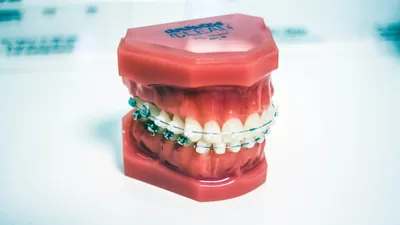
Overbites: Causes, Complications & How To Fix Them
An overbite is when your upper teeth overlap your lower teeth. Learn about its types, causes, diagnosis, treatment optio...
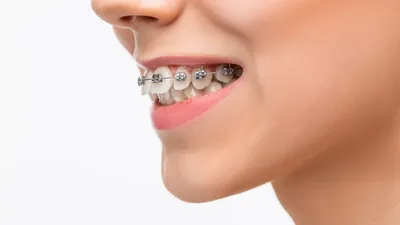
Overbite Treatment: 5 Options You Should Consider
An overbite is a common dental condition that can cause aesthetic and functional problems. If you're looking for overbit...
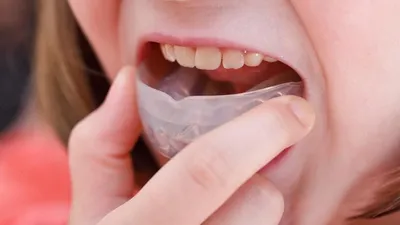
Underbite Correction for Children, Teens & Adults
Here's your complete guide on how to correct underbites for children, late teens, and adults. Learn about the various op...
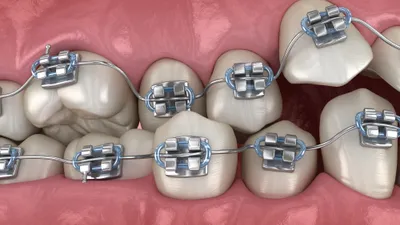
Malocclusion of the Teeth: Types, Causes & Treatment
What causes crowded teeth? Find out the answer and more, including seven types of malocclusions, causes, symptoms, and t...