Cobblestone Throat


Reader-supported. We may earn a commission from links on this page. Advertising disclosure.
In this article
A sore, bumpy throat can be uncomfortable—and unsettling. If you’ve noticed small, raised bumps at the back of your throat, you may be experiencing what’s known as cobblestone throat.
These bumps can look alarming, but are usually not dangerous. They’re most often a sign that your immune system is responding to an irritant or infection.
Cobblestone throat is a common nickname for pharyngitis characterized by a bumpy appearance of the throat lining. It’s often linked to viral infections but can also result from allergies, acid reflux, or chronic post-nasal drip.
Let’s look at what causes it, how it feels, when to see a doctor, and what you can do to feel better.
What is Cobblestone Throat?
Cobblestone throat is a form of pharyngitis that causes the back of your throat to look bumpy or ridged—like a cobblestone path. These bumps aren’t growths or tumors. They’re clusters of fluid-filled lymphoid tissue, which is part of your body’s immune system.
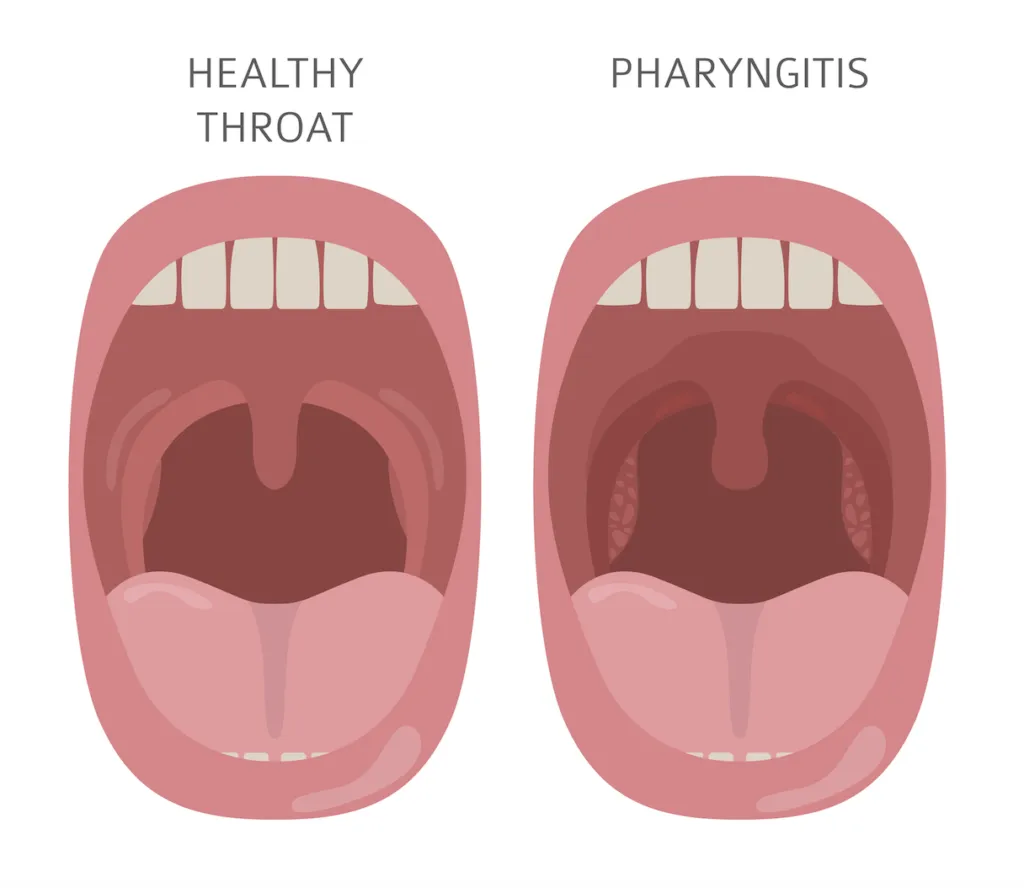
When your throat gets irritated—whether from a virus, bacteria, or an allergen—your immune system ramps up its defenses. The bumps you see are swollen immune cells working to fight off whatever’s causing the irritation. This reaction is common and usually clears up once the source is removed.
Cobblestone throat itself is not contagious, but the underlying cause can be—like a cold or strep—so it depends on what’s behind your symptoms.
If you notice an unusual appearance at the back of your throat, don’t panic. Most cases are short-lived and improve with basic care. Still, how long it lasts and what other symptoms accompany it can help you determine what’s going on.
Common Causes of Cobblestone Throat
Most cases of cobblestone throat are triggered by a viral infection. That includes common colds, the flu, or COVID-19. Other times, bacteria like Group A streptococcus—or even non-infectious irritants like allergens or acid reflux—are to blame.
You might experience cobblestone throat for different reasons at different times. Here’s a quick breakdown:
| Infectious Causes | Non-Infectious Causes |
|---|---|
| Viruses like cold viruses, influenza, COVID-19, and Epstein-Barr | Allergies to pollen, pet dander, or dust |
| Bacteria, especially Group A strep (strep throat) or less common bacterial infections like gonorrhea | Post-nasal drip from chronic sinus issues or allergy flare-ups |
| Fungal infections, such as oral thrush | Reflux from acid or bile irritating the throat (GERD or LPR) |
| Environmental triggers like dry air, smoke, or chemical pollutants | |
| Lifestyle factors, including smoking, vaping, or vocal strain |
Most sore throats are viral and go away on their own, but ongoing irritation might point to allergies or reflux. If your symptoms come and go with seasons, mealtimes, or exposure to smoke, those clues are worth sharing with your doctor.
Cobblestone Throat Symptoms
The main symptom of cobblestone throat is a sore, scratchy throat that may feel raw or tight. People often describe it as feeling like “something is stuck” or like sandpaper rubbing against the throat lining.
Other common symptoms include:
-
Visible bumps at the back of your throat
-
Redness and swelling, especially around the tonsils
-
Pain when swallowing or speaking
-
Hoarseness or a raspy voice
Depending on the cause, you may also notice:
-
Runny nose or dry cough
-
Fatigue, body aches, or fever
-
Swollen lymph nodes in your neck
-
Bad breath, especially with mucus buildup or infection
The exact combination of symptoms varies. Viral cases often include congestion and low-grade fever, while strep throat might come with a sudden high fever and no cough. Allergies and reflux can cause a dry, scratchy feeling that lingers for weeks.
What Your Throat Can Look Like
The bumps that give cobblestone throat its name are usually visible on the back wall of the throat. They often look like small, pink or red lumps clustered together—similar in texture to cobblestones.
These bumps are harmless. They’re caused by enlarged immune tissue responding to irritation or infection. You might also notice redness or a shiny appearance due to inflammation.
It’s natural to worry when you see something unfamiliar. Many people fear these bumps could mean cancer or HPV, but that’s rarely the case. Still, if you see persistent changes that don’t go away or look uneven, it’s smart to get checked.
When To See A Doctor for Cobblestone Throat
Most sore throats improve within a few days. But if your symptoms last longer or feel severe, it’s time to check in with a healthcare provider.
Call a doctor if you experience:
-
A sore throat lasting more than 7–10 days
-
Sudden high fever or chills
-
Painful swallowing that keeps you from eating or drinking
-
A lump on one side of your neck
-
Hoarseness lasting more than two weeks
-
Any throat swelling or trouble breathing
Seek urgent care or ER if you have:
-
Difficulty breathing or swallowing
-
Drooling or inability to handle your saliva
-
Chest pain or severe neck swelling
-
Blood in saliva or vomit
-
Unexplained weight loss with persistent symptoms
These signs can point to more serious conditions, like peritonsillar abscess or—in rare cases—throat cancer. The sooner you get evaluated, the sooner you can start the right treatment.
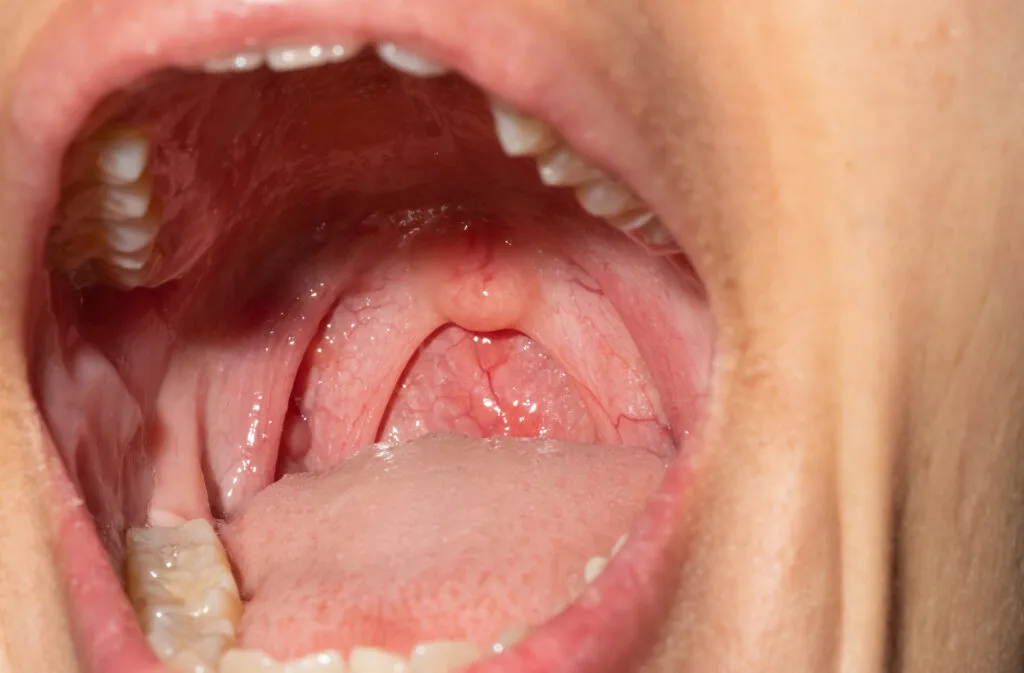
Sore throat with throat swollen. Closeup open mouth with posterior pharyngeal wall swelling and uvula and tonsil. Influenza follicles in the posterior pharyngeal wall. Upper respiratory tract.
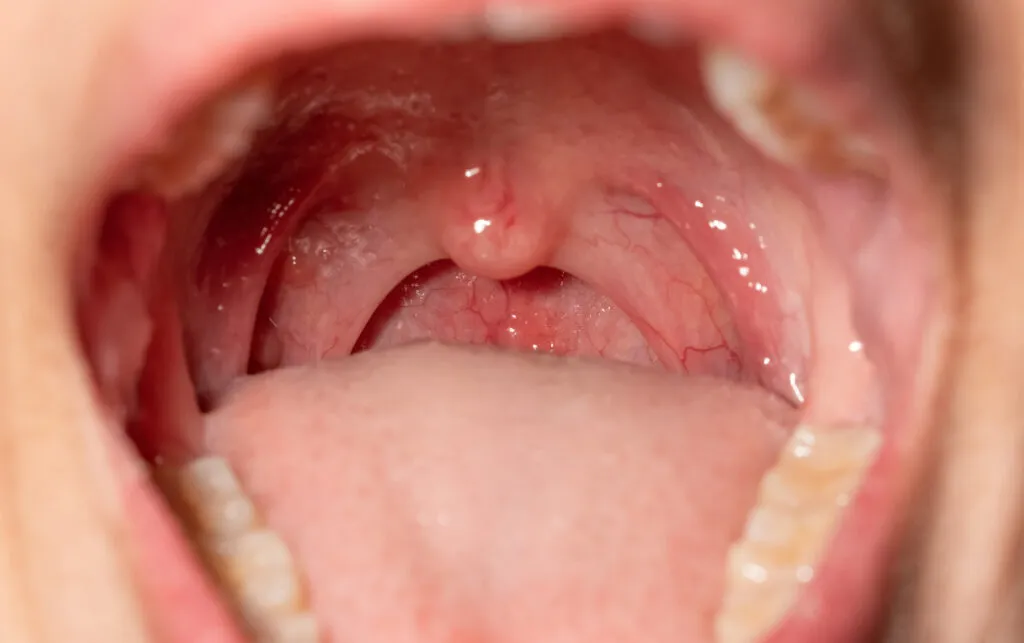
Sore throat with throat swollen. Closeup open mouth with posterior pharyngeal wall swelling and uvula and tonsil. Influenza follicles in the posterior pharyngeal wall. Macro shot of lymphoid follicles
Diagnosis Steps
Your healthcare provider will begin by asking about your symptoms and how long they’ve lasted. They’ll examine your throat and neck and may feel for swollen lymph nodes or signs of irritation.
If your provider suspects strep throat, they’ll usually perform a throat swab. This may include a rapid strep test, which gives results in minutes, or a throat culture, which takes a day or two.
In some cases, your doctor may use a Centor score—a simple checklist to estimate the likelihood of strep. If your symptoms are more chronic or point to reflux or allergies, you might be referred for additional tests like:
-
Allergy testing or skin prick tests
-
pH monitoring or upper endoscopy if reflux is suspected
-
CT scans or imaging for persistent sinus problems or visible abnormalities
Most of the time, a good history and quick test are all it takes to figure out what’s causing your sore throat and those bumpy patches.
Treatment Options for Cobblestone Throat
Treatment for cobblestone throat depends entirely on the cause. Viral infections usually resolve with time and symptom relief. Bacterial infections like strep throat need antibiotics.
When allergies or reflux are to blame, the focus shifts to long-term management. Below is a quick guide to what works for each type.
For viral infections:
-
Rest and fluids to support recovery
-
Over-the-counter medications like acetaminophen or ibuprofen
-
Saline nasal sprays or decongestants to reduce mucus
-
Lozenges and warm drinks for soothing comfort
For bacterial infections (like strep throat):
-
Prescription antibiotics—usually penicillin or amoxicillin
-
Full course completion is essential to avoid complications
-
Pain relief using OTC medications
-
Hydration and rest to help you recover faster
For non-infectious causes (allergies or reflux):
-
Allergy treatments like nasal corticosteroids, antihistamines, or saline rinses
-
Reflux management with diet changes, proton pump inhibitors (PPIs), or H2 blockers
-
Avoiding triggers such as smoke, acidic foods, and late meals
-
Specialist care from an ENT or allergist if symptoms persist
Don’t start antibiotics unless a provider confirms a bacterial infection. Overuse can lead to resistance and delay proper care. If symptoms linger or change, follow up with your provider to explore next steps.
Home Remedies for Cobblestone Throat
While you’re recovering, simple home care can make cobblestone throat more manageable. These remedies won’t cure the cause, but they can reduce discomfort and help your body heal.
Try these at-home options:
-
Gargle warm salt water to reduce swelling and kill bacteria
-
Sip warm herbal teas like chamomile or licorice root for comfort
-
Add honey (especially manuka) to tea for cough relief
-
Stay hydrated to keep mucus thin and your throat moist
-
Avoid caffeine and alcohol, which can dry out your throat
These strategies work best when used consistently over a few days. If one remedy doesn’t help, try another that fits your routine.
Let comfort guide your choices—whatever helps you swallow, talk, or rest more easily is a good place to start.
Foods and Drinks
Soft, nutrient-rich foods and warm or cool liquids can ease throat pain and support your recovery.
-
Warm broths soothe and hydrate while providing protein
-
Herbal teas with honey offer moisture and mild antimicrobial effects
-
Cold items like popsicles or yogurt can numb pain briefly
-
Manuka honey may offer extra benefit, especially for coughs
-
Avoid spicy, crunchy, or acidic foods that might worsen irritation
Gentle foods are your best bet until your throat feels better.
Lozenges And Humidity
Soothing sprays, lozenges, and moist air can all ease irritation, especially if dry air or allergies are involved.
-
Lozenges with menthol, zinc, or pectin help coat and calm the throat
-
Propolis sprays (a bee product) may offer natural antibacterial support
-
Humidifiers keep indoor air moist and your throat comfortable
-
Steam from a hot shower can loosen mucus and relieve dryness
-
Sleep slightly upright to prevent mucus from pooling overnight
Clean your humidifier regularly to avoid mold buildup, and never give honey-based products to children under one.
Prevention Tips for Cobblestone Throat
You can’t prevent every sore throat, but you can lower your chances of getting cobblestone throat again—especially when irritants or infections are to blame.
Here’s how to reduce your risk:
-
Wash hands often, especially during cold and flu season
-
Avoid sharing drinks or utensils with others
-
Use a humidifier if indoor air is dry
-
Quit smoking or vaping, and avoid secondhand smoke
-
Manage allergies and reflux with your doctor’s help
Keeping your throat healthy starts with protecting your overall immune system—so get good sleep, reduce stress, and eat a balanced diet.
Even small daily habits can make a big difference over time.
Cobblestone Throat
NewMouth PodcastSources
- Ada. “Acute Pharyngitis (Cobblestone Throat) Sign & Treatment.” ADA.org, n.d.
- Centers for Disease Control and Prevention. “Sore Throat Basics.” CDC, 2024.
- Cleveland Clinic. “Cobblestone Throat: Causes & Treatment.” Cleveland Clinic, n.d.
- Healthline. “Cobblestone Throat: Pictures, Causes & Treatment.” Healthline, 2024.
- Mayo Clinic. “Sore Throat: Symptoms & Causes.” Mayo Clinic, n.d.
- Medical News Today. “Cobblestone Throat: Symptoms, Treatment, and Prevention.” Medical News Today, 2024.
- Penn Medicine. “Strep Throat Symptoms, Causes & Treatment.” Penn Medicine, n.d.
- StatPearls. “Pharyngitis.” StatPearls, 2023.

Board-certified general dentist specializing in patient education and preventive dentistry.

Experienced medical writer with background in biopsychology and public health.
Related Articles
What is the Submandibular Duct?
The submandibular gland is one of three major salivary glands. The other two are the parotid gland and the sublingual gl...

Dental Grants: What They Pay For and How To Apply
Although dental work can be costly, delaying treatment may be detrimental to your oral health. If you need a dental proc...
Can Cavities Go Away on Their Own?
A cavity that has formed a hole in your tooth won’t go away. Once a cavity wears through your tooth’s enamel, you must s...

What Causes Herpangina and How is it Treated?
Can Adults Get Herpangina? Yes. However, herpangina is less common in adults than in younger children. Herpangina typica...