Desensitizing Toothpaste for Sensitive Teeth


Reader-supported. We may earn a commission from links on this page. Advertising disclosure.
In this article
Feeling a sharp twinge when you sip cold water or brush your teeth? Many people experience this kind of sudden, short-lived discomfort, which is what dentists call tooth sensitivity.
While it might feel alarming, there’s good news: desensitizing toothpaste can often help manage it effectively. This guide explains how it works, which ingredients are worth trying, and when it’s time to call in professional care.
What is Tooth Sensitivity?
Tooth sensitivity usually means your dentin—the layer beneath your enamel—has become exposed. This exposure allows certain triggers like cold drinks, sweet foods, or even brushing to send signals straight to the nerve inside your tooth.
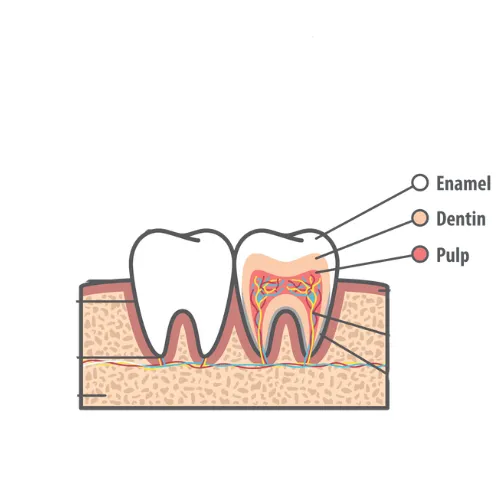
The pain is often sudden and sharp, fading as soon as the trigger is removed. What sets this apart from other dental problems is the way it feels.
Dentin hypersensitivity doesn’t linger like a deep cavity or infection would. If your discomfort is persistent, throbbing, or occurs without a clear cause, that could point to something more serious, like nerve inflammation or decay. That’s a sign to see your dentist right away.
Transform your smile with the best toothbrushes of 2026. Find your perfect brush here.
How Does Desensitizing Toothpaste Work?
Desensitizing toothpastes relieve pain in one of two ways: by calming nerve signals or by blocking tiny channels (tubules) in your exposed dentin.
These channels carry fluid that shifts when you eat or drink, especially when it’s cold, triggering a nerve response. Blocking or calming that signal is how these toothpastes help.
Both methods target the same pain pathway described in the hydrodynamic theory of sensitivity. That theory explains why cold air or liquids hurt: they move the fluid inside these tubules, stimulating the nerve endings. The more open and numerous these tubules are, the more intense the pain can be.
Key Ingredients in Desensitizing Toothpaste
Choosing the right toothpaste starts with understanding what’s inside. Here are the most studied and effective ingredients found in over-the-counter desensitizing toothpastes:
-
Potassium nitrate — Calms the nerves by disrupting pain signals; works gradually over 2–4 weeks with regular use.
-
Arginine and calcium carbonate — Quickly seal tubules by mimicking natural processes; may offer both instant and lasting relief.
-
Calcium sodium phosphosilicate (bioactive glass) — Forms a mineral layer that blocks tubules and supports remineralization; effective across cold, air, and touch triggers.
-
Strontium salts — Block tubules and relieve pain quickly, often within a few days.
-
Stannous fluoride — Strengthens enamel and forms a protective layer over exposed areas; also works fast and lasts with continued use.
Each ingredient works a little differently and may be better for some types of sensitivity than others. For example, if one doesn’t help after a few weeks, switching to a different formula with a new active ingredient can be worth trying.
How to Use Desensitizing Toothpaste Correctly
How you use desensitizing toothpaste matters just as much as which one you choose. These products work best when applied consistently and with the right technique.
To get the most out of your toothpaste:
-
Brush twice a day with a soft-bristled toothbrush for two full minutes.
-
Use a pea-sized amount of toothpaste each time—more doesn’t mean better.
-
After brushing, spit out the foam but avoid rinsing with water. This leaves a layer of the active ingredient on your teeth, helping it keep working.
-
Give it time. Some formulas relieve pain in days, but others—like potassium nitrate—take 2 to 4 weeks to build up effects.
If you don’t notice any improvement after about a month of regular use, consider switching to a toothpaste with a different active ingredient or talk to your dentist.
Explore our top-rated water flossers for 2026. See our recommendations.
When Toothpaste is Not Enough
Desensitizing toothpaste treats symptoms—but it doesn’t fix deeper dental issues. If your sensitivity doesn’t improve or starts to worsen, it could be a sign of a bigger problem like a cavity, gum recession, or a cracked tooth.
Some warning signs mean it’s time to see a dentist promptly:
-
Throbbing or lingering pain that doesn’t stop when the trigger is gone.
-
Pain at night or without a clear cause.
-
Swollen gums, fever, or a bad taste in your mouth.
-
Pain when biting or chewing.
These symptoms may signal infection, nerve inflammation, or damage that needs professional care.
Professional Treatments for Sensitive Teeth
Dentists offer a range of treatments tailored to the cause of your sensitivity. These may include:
-
Fluoride varnishes or gels to strengthen enamel and reduce pain.
-
Desensitizing agents, like glutaraldehyde, are applied in the office for immediate relief.
-
Dental bonding or sealants to cover exposed dentin.
-
Fillings or crowns if the issue is due to decay or damage.
-
Gum grafts to cover roots exposed by recession.
-
Root canals as a last resort if nerve inflammation doesn’t respond to other treatments.
These options vary in how long they last, but all aim to get to the root of the problem.
Your dentist may test your teeth with air, touch, or light pressure. They might also take X-rays or do a bite test to rule out cracks or cavities. The more details you provide about the sensitivity you feel, the better your care will be.
Fresher breath, healthier gums, stronger teeth – find it all in 2026’s best mouthwashes. Explore the top picks here.
Sources
- West, N.X., and Lussi, A. “Current concepts of dentinal hypersensitivity.” PubMed, 2021.
- Marto et al. “Non-surgical management of tooth hypersensitivity.” PubMed Central (PMC), 2021.
- Wang et al. “The effect of calcium sodium phosphosilicate on dentin hypersensitivity: A systematic review and meta-analysis.” PLOS ONE, 2015.
- Jena et al. “Efficacy of bioactive glass–based desensitizer compared to other desensitizing agents or techniques in dentin hypersensitivity: A systematic review.” PubMed Central (PMC), 2024.
- Lippert, F., and Hara, A.T. “Stannous fluoride in toothpastes: Clinical effects and likely mechanisms of action.” PubMed Central (PMC), 2024.
- Creeth et al. “Three randomized studies of dentine hypersensitivity reduction after short-term stannous fluoride toothpaste use.” PubMed Central (PMC), 2019.
- American Dental Association. “Toothpastes.” ADA.org, n.d.
- Centers for Disease Control and Prevention. “Use of toothpaste and toothbrushing patterns among children and adolescents—United States, 2013–2016.” CDC.gov, 2019.
- HealthyChildren.org (American Academy of Pediatrics). “Fluoride for children: Parent FAQs.” HealthyChildren.org, n.d.
- ADA Science & Research Institute. “Rinsing immediately after brushing: Effects and recommendations.” ADA.org, 2024.

Board-certified general dentist specializing in patient education and preventive dentistry.

Head content writer focusing on scientifically-based, accessible dental information.
Related Articles

Arc Teeth Whitening Kit Review (2026)
Learn everything about the ARC teeth whitening kit, including how it works, costs, and how it compares to other popular...

Implant Supported Dentures
Implant supported dentures are great for those looking for an alternative to traditional removable dentures. See if they...
Best Antibacterial Mouthwashes (2026)
Learn about the difference between antibacterial, antiseptic, and antimicrobial mouthwashes. See our recommendations for...

The 3 Best Antiseptic Mouthwashes
In this guide, you'll discover the difference between an antiseptic and antibacterial mouthwash. We also suggest antisep...