What Are Wisdom Teeth?

Reader-supported. We may earn a commission from links on this page. Advertising disclosure.
In this article
What Are Wisdom Teeth?
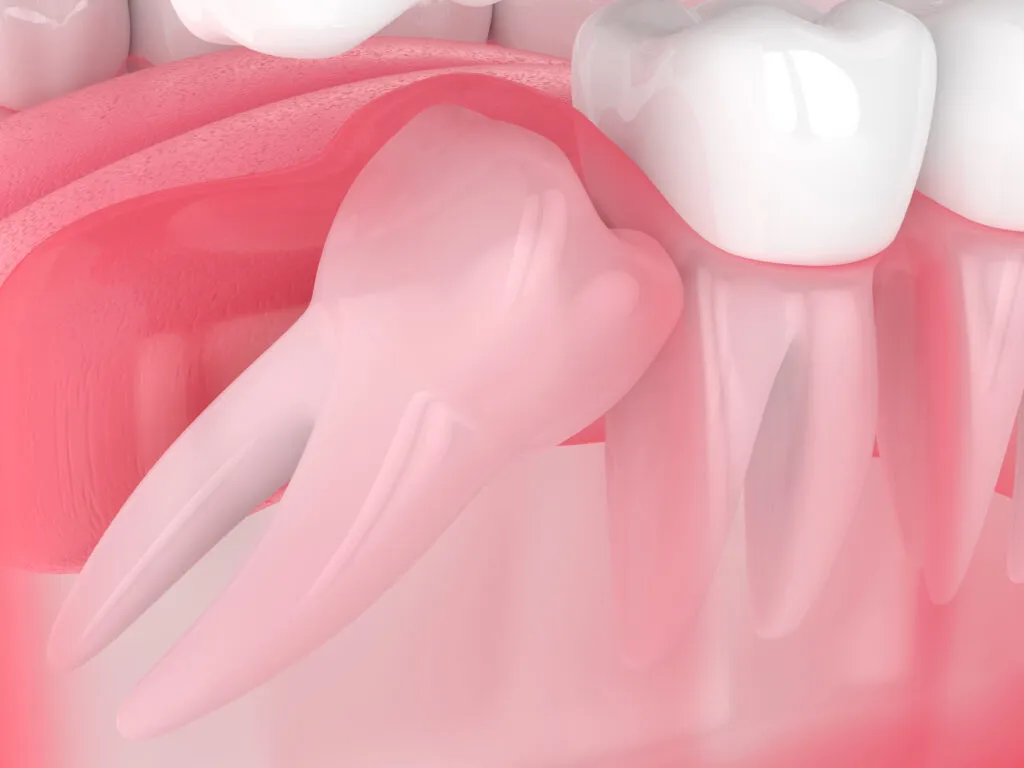
Wisdom teeth are the third molars at the back of your mouth. They’re the last set of your adult teeth that grow in and erupt during your late teens or early 20s.
Do All People Have Wisdom Teeth?
Not all people develop wisdom teeth in their lifetime. According to one research, about 35.4% of the sample was missing one of their third molars.
This means that more people don’t need their wisdom teeth over time. The study concluded and suggested that third molars are becoming more unnecessary nowadays.
What Is the Purpose of Wisdom Teeth?
While wisdom teeth don’t serve a purpose in the modern human body, anthropologists say they benefited our early ancestors.
Over time, our diets have changed. Humans have evolved and adapted modern diets, which means eating more soft foods. It also meant that humans have developed smaller jaws.
There isn’t enough room for wisdom teeth to grow in smaller jaws anymore. This can result in dental crowding in the lower jaw and other dental problems.
Why Are They Called ‘Wisdom’ Teeth?
Wisdom teeth are the last permanent teeth to erupt into the mouth. Since wisdom teeth grow within the late teens to early twenties, it’s believed that these are the ages when one becomes wise.
Many Spanish-speaking countries also call wisdom teeth “the teeth of judgment.”
What Are Impacted Wisdom Teeth?
Impacted wisdom teeth happen when your wisdom teeth don’t grow properly. Dentists can detect impacted wisdom teeth through a dental X-ray.
An impacted wisdom tooth will push the surrounding teeth and gums. If a wisdom tooth pushes a second molar, it can cause damage to the said tooth.
In this case, wisdom tooth removal is essential to prevent further problems and complications.
Signs of a Wisdom Tooth Coming in
A few signs indicate whether a wisdom tooth is coming in. These include:
- Pain around the jaw area
- Tender and swollen gums
- Gum infection
- Small white spots behind your molars
- Difficulty opening your teeth
- Food often gets stuck in between teeth
- Fever
- Bad breath
Common Issues with Wisdom Teeth
If you fail to undergo wisdom tooth extraction when needed, you may encounter the following problems:
- Wisdom tooth impaction
- Gum disease
- Wisdom tooth infection
- Overcrowding
When Is Wisdom Teeth Removal Necessary?
You may need your wisdom teeth removed once they cause significant problems. This is usually when your wisdom teeth start affecting the nearby teeth and jaw.
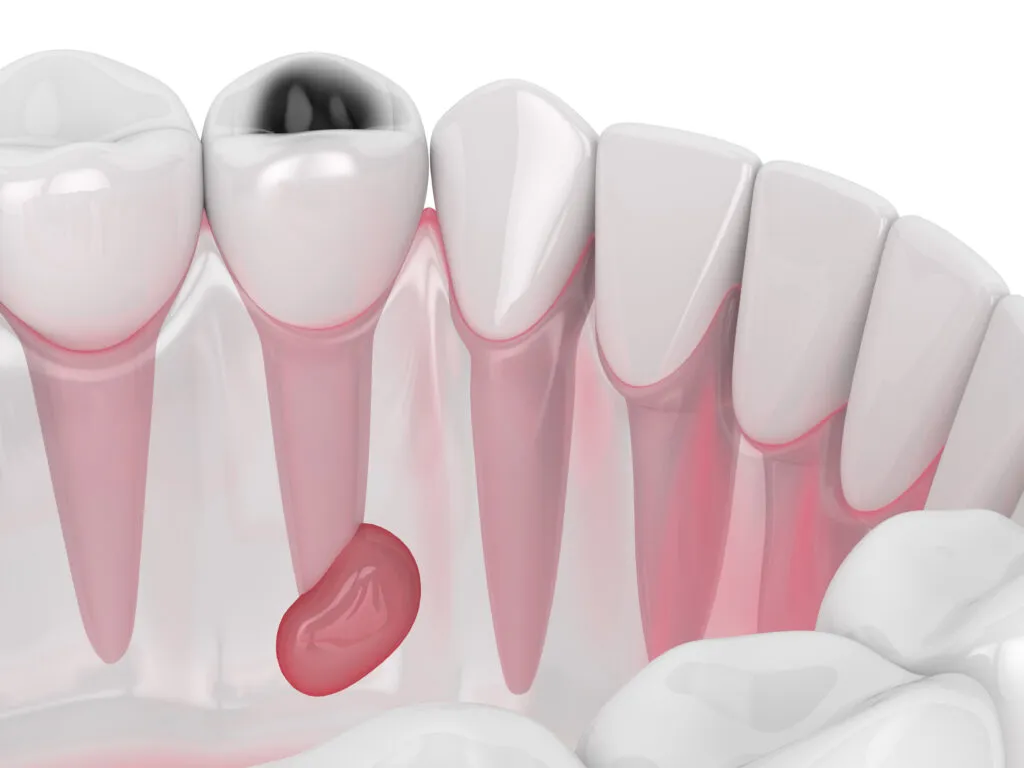
You’ll need a wisdom tooth removal when you develop:
- Severe pain
- Cysts
- Infection
- Damage to other teeth
- Tooth decay
A consultation with a dentist or oral surgeon can determine whether you need to undergo wisdom teeth removal.
More Reading
- Wisdom Teeth Removal
- Signs of Wisdom Teeth Coming in
- Can Wisdom Teeth Grow Back
- Impacted Wisdom Teeth
Summary
Wisdom teeth are the third molar teeth found in the back of your jaw. Not all people develop wisdom teeth, but you’ll need surgery when the wisdom teeth cause dental health problems.
Delaying treatment can lead to various complications as well. Consulting your dentist or oral surgeon can help determine the best course of treatment.
Sources
- Kaur et al. “Radiographic assessment of agenesis of third molars and para-radicular third molar radiolucencies in population of age group 18-25 years old – a radiographic survey.” Archives of Oral Research, 2012.
- Gkantidis et al. “Third Molar Agenesis Is Associated with Facial Size” Biology (Basel), 2021.
- Scheiwiller et al. “Third molar agenesis in modern humans with and without agenesis of other teeth.” PeerJ, 2020.
- Kaseh et al. “The Retromolar Space and Wisdom Teeth in Humans: Reasons for Surgical Tooth Extraction.” Eur J Dent, 2021.
- “Institute for Quality and Efficiency in Health Care. Should you have your wisdom teeth removed?” InformedHealth.org [Internet], 2006.
- “Wisdom Teeth.” American Dental Association.

Web content writer specializing in making dental research accessible to diverse audiences.
Related Articles
Types of Teeth, Their Function and Shapes
Key Takeaways Your teeth naturally come in several different shapes and sizes. This allows them to perform multiple task...

Dental Insurance No Waiting Period
Find out what a dental insurance waiting period is, why some plans have waiting periods, how to locate dental insurance...

Dental Surgery Recovery: Tips for Pain and Swelling Relief
Dental surgery, while often necessary for oral health, can cause discomfort in the form of pain and swelling. This is a...

How to Treat a Painful Ulcer on the Tongue or Gums
Mouth ulcer is a general term for different sores that can cause distinct types of pain. Minor canker sores — Small, ro...