Numbing/Tingling Tongue


Reader-supported. We may earn a commission from links on this page. Advertising disclosure.
In this article
A variety of conditions can cause your tongue to tingle or become numb. You may experience a pins-and-needles sensation, similar to when an arm or leg falls asleep.
Depending on the cause, you may also have other symptoms that affect other parts of your body. For example, your fingers or toes may also feel numb.
Many reasons for a numb or tingling tongue are benign and easy to treat. However, others are much more serious and require immediate medical attention.
7 Potential Causes of a Numb or Tingling Tongue
Here are some of the most common causes of tongue numbness or tingling:
1. Stroke
A stroke, or a transient ischemic attack (TIA or ministroke), can sometimes cause a numb or tingling tongue and other symptoms. Strokes are caused by a brain bleed or by blood clots that block blood flow to the brain.
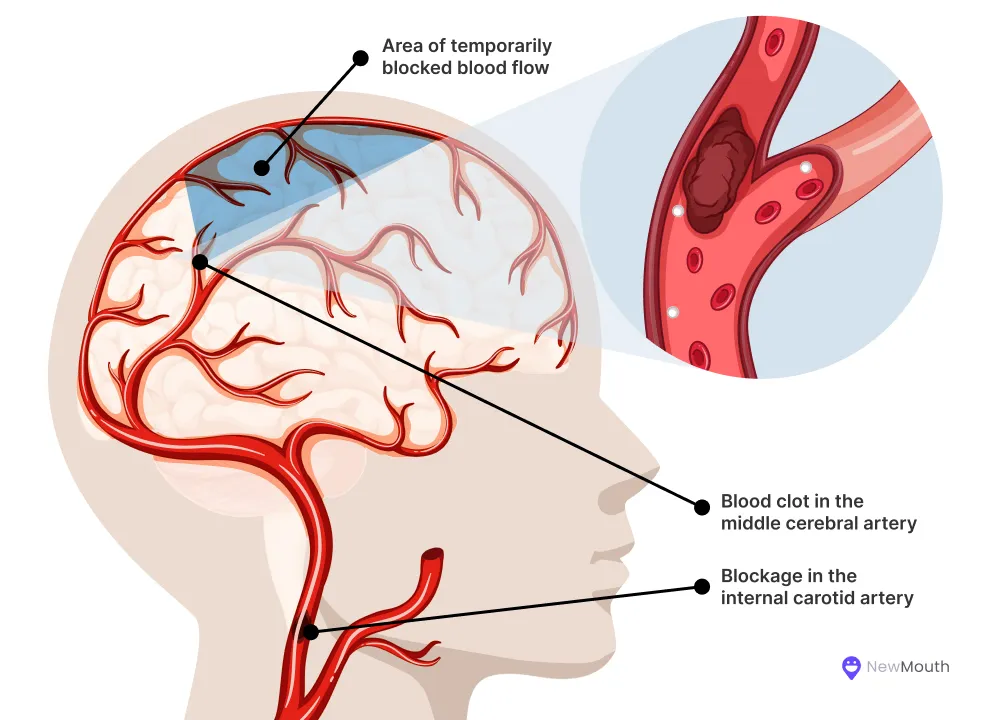
The main difference between a TIA and a stroke is that a TIA lasts much shorter (sometimes only a few minutes). However, both are medical emergencies.
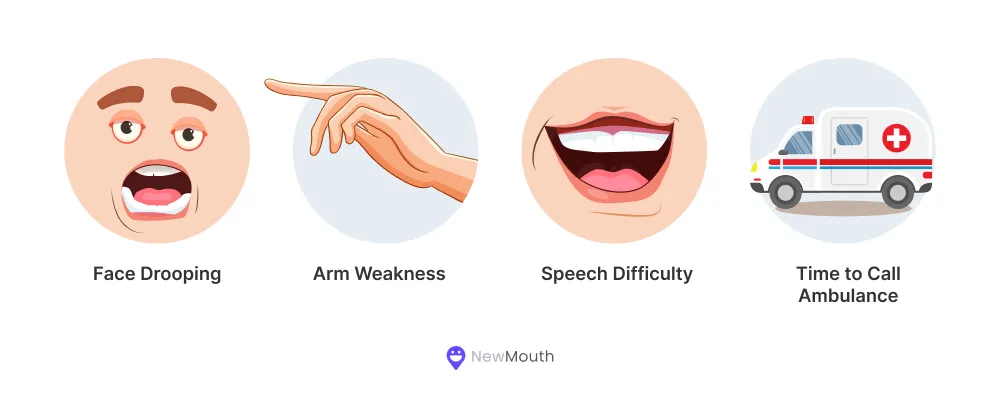
Seek emergency care immediately if you notice the following:
- Severe headache
- One side of your body suddenly feels weak or numb
- Difficulty breathing or speaking
- Dizziness
- Confusion
- Vision loss
Stroke treatment is time-sensitive. A stroke can starve brain tissue of oxygen within minutes, so emergency care matters.
Treatment
To treat a stroke, your medical provider will want to give you the right medication as soon as possible. Depending on the type of stroke, that medication will either break up blood clots or reduce blood pressure. You may also require surgery.
You’ll likely receive physical therapy and other long-term treatments to support recovery. The rehabilitation process following a stroke can take months or years, but full recovery is possible.
2. Allergies
Tongue numbness or tingling can sometimes be a sign of an allergic reaction. You may be allergic to a specific food, a new medication, or something in the environment, such as pollen or a bee sting.
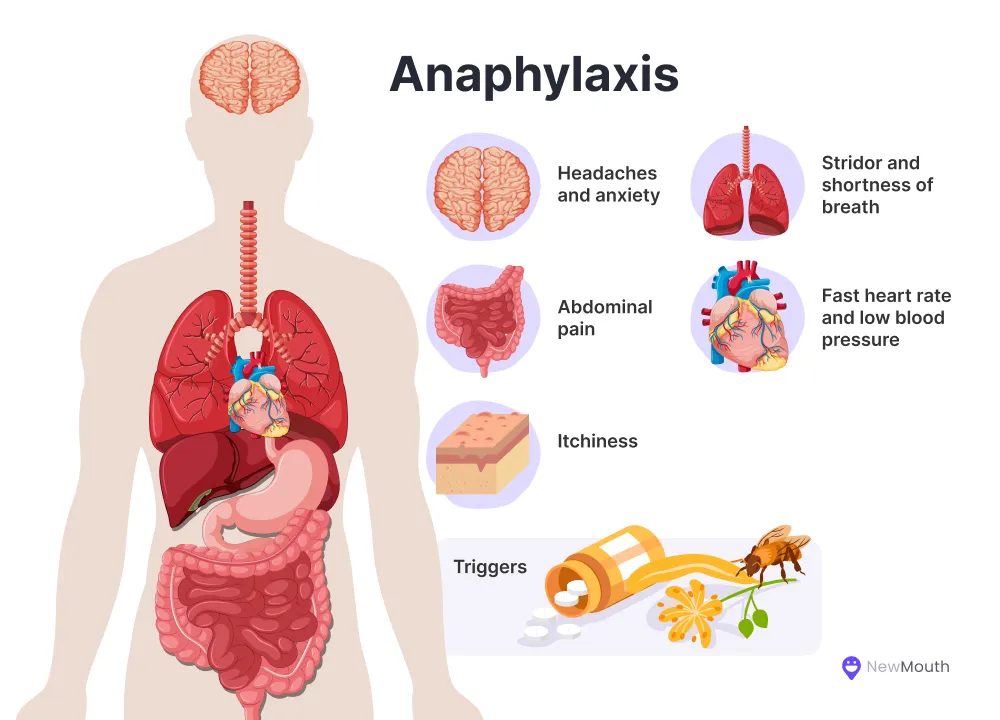
Seek medical attention immediately if you have symptoms of a severe allergic reaction (anaphylaxis). These include:
- Difficulty breathing or swallowing
- Lip or tongue swelling
- Itching or hives
Benzonatate, a cough suppressant, can cause severe allergic reactions, including a numbing tongue. Talk to your doctor before using benzonatate.
Treatment
Treatment for allergies often includes oral or nasal medications, such as antihistamines. Many of these are available over the counter.
You may also benefit from HEPA filters or other measures to remove allergens in your home.
3. Low Blood Sugar
Low blood sugar (hypoglycemia) can cause you to notice tongue numbness or a metallic taste in your mouth.
Anyone can experience low blood sugar. However, it’s especially common in people with diabetes. For example, going too long between meals can trigger hypoglycemia in a person with diabetes.
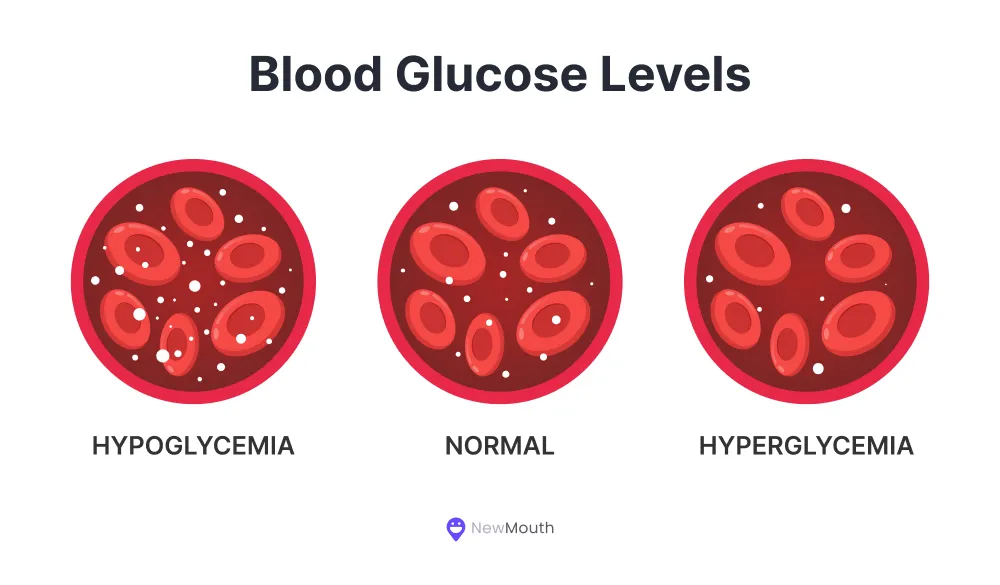
Other symptoms of low blood sugar include:
- Confusion or difficulty concentrating
- Irritability
- Weakness or dizziness
- Intense hunger, possibly including a craving for fruit or sweets
Treatment
You can raise your blood sugar to normal levels in mild cases by eating or drinking something sweet. A snack-sized portion may be enough.
See a doctor if you experience low blood sugar repeatedly within a week or develop severe symptoms.
4. Hypocalcemia
When your blood calcium levels get too low, you may notice numbness or tingling around your mouth, hands, and feet.
You’re likely to have other symptoms as well, such as:
- Muscle spasms or stiffness
- Dizziness or loss of balance
- Seizures
- Large bruised areas on your skin (purpura)
Seek medical attention as soon as possible if you have these symptoms. Untreated severe hypocalcemia can lead to cardiac arrest.
Treatment
Treatment for hypocalcemia generally includes providing an IV of calcium gluconate or calcium chloride, sometimes with vitamin D.
Additional treatment may depend on the underlying cause of the drop in calcium levels. Possible causes include:
- Low parathyroid hormone (most common)
- Magnesium deficiency
- Vitamin D deficiency
- Cirrhosis of the liver
- Pancreatitis
5. Vitamin B Deficiency
Low levels of vitamin B12 or B9 (folate) can cause symptoms involving your tongue. These include soreness, swelling, numbness, and altered taste. You may also notice sensations in your hands and feet and feel unusually tired.
Certain drugs, such as metformin or many heartburn or acid reflux medications, can cause vitamin B deficiency. It can also be due to an inadequate diet.
Diets low in meat or dairy can lead to low levels of B12. Not eating enough fruits or vegetables can lead to low B9. Talk to your doctor about vitamin B deficiency if you notice tongue soreness or other symptoms.
Treatment
High-dose supplements or regular vitamin injections can treat vitamin B deficiency.
6. Migraine
Your tongue may tingle or become numb as part of the onset (aura) of a migraine headache. You may also become dizzy or notice disturbances in your vision (blind spots or moving patterns).
Migraines are severe, throbbing headaches that typically affect one side of the head. They also often cause nausea, vomiting, and heightened sensitivity to light and sound. A migraine attack can last a day or more.
Treatment
Migraines are chronic and don’t have a known cure. However, they can be managed with over-the-counter (OTC) and prescription medication.
Talk to your doctor about treatment options if you struggle with migraine headaches.
7. Anxiety
An anxiety or panic attack can also make your tongue feel numb or tingly. You may feel a similar sensation in other body parts, such as your hands, feet, or face.
Panic attacks don’t usually last long, but they can be self-reinforcing while they last. For example, noticing that your tongue feels numb could lead to even greater anxiety.
Other anxiety or panic symptoms include:
- Increased heart rate or palpitations
- Hyperventilation (fast breathing)
- A sensation of not being able to catch your breath or steady yourself
- Pain, discomfort, or strange sensations, particularly in the head, chest, or stomach
- Increased sweating
- Heightened awareness or alertness
Treatment
When you have a panic attack, your body engages in its fight-or-flight response. This can happen even when there is not a real threat.
This response naturally slows down after a few minutes. Simply being aware that you’re having a panic attack can help.
Frequent panic attacks can benefit from professional treatment. This may include cognitive behavioral therapy (CBT) and anti-anxiety medication. Exercise, meditation, and relaxation techniques can also reduce anxiety and improve your ability to cope.
Other Causes
Some less common causes of tongue tingling or numbness include:
Burning Mouth Syndrome
Burning mouth syndrome (BMS) can cause tingling or numbness in the tongue or mouth. But it most often causes a stinging or burning sensation. It can also cause altered taste and mouth dryness.
BMS or BMS-like symptoms can link to:
- Menopause
- Oral thrush, an oral yeast infection
- Inflammatory conditions like oral lichen planus and geographic tongue
Multiple Sclerosis (MS)
Multiple sclerosis (MS) is a chronic disease that affects the brain and nervous system. It makes walking, movement, and speech difficult. MS can also cause tingling or numbness in various parts of the body.
Raynaud Syndrome
Raynaud syndrome is a condition involving spasms of the small blood vessels of certain parts of the body. It most often causes the fingers to change color and feel painful or numb. This is because blood flow is reduced and then returns.
However, Raynaud syndrome can sometimes affect the toes, ears, nose, lips, or tongue. Cold or stress often triggers these spasms.
Nerve Damage
Your tongue could become numb or feel strange due to nerve damage. This is most likely to happen following oral surgery, such as wisdom tooth removal.
Oral surgeons take every precaution to avoid damaging the sensitive nerves of your tongue and mouth. However, nerve damage does sometimes occur. In many cases, the tingling or numbness goes away after several months.
When to See a Doctor
See a doctor if you experience any of the following:
- Persistent or recurring tongue numbness or tingling with no known cause
- Severe pain, whether in your mouth, head, or elsewhere
- Any symptoms that interfere with your everyday life
Signs of a Medical Emergency
Depending on your symptoms, you may need to seek immediate medical attention.
Call emergency medical services if you experience:
- Sudden, severe pain
- Difficulty breathing
- Dizziness or mental fog
- Visual disturbances
- Drooping, numbness, or tingling in your face
- Inability to move part of your body
These could be signs of a stroke, TIA, or severe anaphylaxis. The sooner you get medical attention, the better.
Outlook for a Numb or Tingling Tongue
Numbness of the tongue or tongue paresthesia (tingling) can be caused by a range of conditions, from mild to life-threatening.
Some causes, such as strokes, may require months or years of recovery. Others, like low blood sugar, can sometimes be remedied almost immediately.
You can usually manage or treat the various causes of tongue numbness, and in some cases, you can cure it completely. Talk to your doctor about available treatments.
Summary
A numb or tingling sensation in your tongue can happen for various reasons. Depending on the cause, you may notice other symptoms.
Sometimes people experience tongue numbness due to a nutrient deficiency, such as low calcium or B vitamins. Other cases may involve a more serious underlying health condition.
If you have recurring tongue numbness or tingling, talk to your doctor. Get medical help immediately if you notice symptoms of a stroke or severe allergic reaction, such as a severe headache or difficulty breathing.
Numbing/Tingling Tongue
NewMouth PodcastSources
- Saleh, Christian, et al. “Bilateral Ageusia and Tongue Anesthesia Following Unilateral Brainstem Infarct: A Case Report with a Brief Review of the Literature.” Case Reports in Neurology, 2018.
- Kashyap, Roopashri Rajesh, and Rajesh Shanker Kashyap. “Oral Allergy Syndrome: An Update for Stomatologists.” Journal of Allergy, 2015.
- Bishop-Freeman, Sandra C., et al. "Benzonatate Toxicity: Nothing to Cough At." Journal of Analytical Toxicology, 2017.
- Ibrahim, Nesma Ali. "Frequency and Predictors of Hypoglycemia in Type 2 Diabetes: A Population-Based Study." Journal of Diabetology, 2021.
- Fong, Jeremy, and Aliya Khan. “Hypocalcemia: updates in diagnosis and management for primary care.” Canadian Family Physician, 2012.
- Chen, Guan-Ying, et al. "Vitamin B12 deficiency may play an etiological role in atrophic glossitis and its grading: A clinical case-control study." BMC Oral Health, 2022.
- Singh, Anuradha, et al. "Tongue Fasciculations Presenting as an Early Clinical Sign of Cobalamin Deficiency (5164)." Neurology, 2020.
- Kim, Dong-Kyu, et al. “Risk of Burning Mouth Syndrome in Patients with Migraine: A Nationwide Cohort Study.” Journal of Personalized Medicine, 2022.
- Bhatia, M.S., et al. “Psychogenic Lingual Paresthesia.” Journal of Clinical and Diagnostic Research, 2015.
- Boucher, Yves. "Psycho-stomatodynia." Journal of Oral Medicine and Oral Surgery, 2019.
- Fedele, S., et al. "Burning mouth syndrome (stomatodynia)." QJM: An International Journal of Medicine, 2007.
- Chemaly, Daisy, et al. "Oral and Maxillofacial Manifestations of Multiple Sclerosis." Journal of the Canadian Dental Association, 2000.
- Perry, Martin Edward, et al. “Raynaud's of the Tongue.” European Journal of Case Reports in Internal Medicine, 2017.
- Lata, Jeevan, and Arunesh K. Tiwari. "Incidence of lingual nerve paraesthesia following mandibular third molar surgery." National Journal of Maxillofacial Surgery, 2011.

Board-certified general dentist specializing in patient education and preventive dentistry.

Experienced dental health writer dedicated to providing accurate, accessible information.
Related Articles

Tight Jaw Causes, Tips for Relief, and Prevention
Why Does My Jaw Feel Tight? There are many potential causes of a tight jaw. Your lifestyle, jaw disorders, and certain i...

White Spots on Gums: Causes, Treatments & Prevention
White spots on your gums or teeth may be a serious problem. If you've noticed white spots on your gums or teeth, here ar...

What Causes Bumps Under the Tongue?
It's common to notice bumps, bubbles, or pimples under your tongue (ventral surface). They may appear suddenly and may n...

7 Causes of Tooth Pain and How to Prevent Toothache
Several different things can cause tooth pain. Find out what could be causing your tooth pain, tips on how to find relie...