Halitosis (Bad Breath): Symptoms, Treatment, and Prevention


Reader-supported. We may earn a commission from links on this page. Advertising disclosure.
In this article
Halitosis is a persistent bad breath condition stemming from an underlying oral health issue. It differs significantly from temporary morning breath. Simple remedies like brushing or mints that work for other types of bad breath are ineffective against halitosis.
Halitosis typically indicates that you have a more serious problem like cavities or gum disease. If your bad breath doesn’t go away after brushing and mouthwash, we recommend scheduling an appointment with your dentist.
What are the Symptoms of Halitosis?
While bad breath is the main symptom of halitosis, you may also notice a bad taste in the mouth. Symptoms vary depending on what’s causing the halitosis.
If you have poor dental hygiene, you may develop a toothache or cavity. If it’s caused by a recent infection, you may experience flu-like symptoms.
Breath smells can also differ depending on the cause of the problem. It is best to ask someone close to check your mouth odor as it can be challenging to assess it yourself.
How is Halitosis Diagnosed?
A general dentist will often smell the breath of someone with suspected halitosis and rate it on a six-point intensity scale. The dentist may scrape the back of the tongue and check the scrapings for smell, as this area can typically be a source of the odor.
Several sophisticated detectors can rate the smell more accurately. They include:
- Halimeter — This picks up low levels of sulfur.
- Gas chromatography — This test assesses three sulfur compounds, which are hydrogen sulfide, methyl mercaptan, and dimethyl sulfide.
- BANA test — This measures levels of a certain enzyme created by halitosis-causing bacteria.
- Beta-galactosidase test — This test checks levels of the enzyme beta-galactosidase, which is linked to bad mouth odor.
If your dentist can’t determine the cause of the bad breath, they will refer you to a specialist.
How to Treat and Manage Halitosis
You can manage halitosis through professional treatments and home remedies. Here’s an overview of them:
Professional Treatments
Professional treatment is the best way to get rid of halitosis. However, your treatment will most likely depend on what’s causing your bad breath.
For example:
- Periodontal disease — This can be treated by a dentist or periodontist by removing tartar, plaque, and bacteria above and below the gum line through cleaning.
- Poor oral hygiene — If poor dental care is causing halitosis, your dentist will also recommend ways to maintain good oral hygiene and reduce bad breath at home.
- Plaque buildup — Your dentist or periodontist may suggest an antibacterial mouthwash. You should also scrape your tongue daily to remove bacteria.
- Health conditions — Getting treatment for underlying health conditions that cause halitosis can stop bad breath.
Home Remedies
Home remedies aren’t proven to work for everyone, visit your dentist if bad breath persists. However, it’s possible to manage halitosis with a good oral care routine.
Brush your teeth twice a day with fluoride toothpaste and brush your tongue. Make sure to floss daily and consider using mouthwash that contains zinc and chlorhexidine.
Other remedies include:
- Eating parsley — Chew on parsley leaves after a meal. Parsley, which contains chlorophyll, may mask the odor of bad breath temporarily.
- Drinking water — Dry mouth is one of the causes of halitosis, so staying hydrated can help eliminate bad breath by combatting a dry mouth.
- Eating yogurt — The healthy bacteria in yogurt, particularly Greek yogurt, can eliminate harmful bacteria in the mouth and reduce bad breath.
- Drinking milk — Milk can reduce the “garlicky” smell of breath.
- Drinking green tea — Green tea has disinfectant and deodorizing properties that can improve bad breath.
- Taking zinc — Zinc salts (commonly found in mouthwash) help fight bad breath.
What Causes Halitosis?
There are various conditions that can cause halitosis. For example, nose, sinus, and throat infections can lead to bad breath. Oral health conditions like cavities, malocclusions, and periodontal disease can also contribute to bad breath.
Meanwhile, poor oral hygiene can lead to bacteria buildup, cavities, gum disease, and other infections. Other potential causes include:
- Dry mouth — This typically happens when you don’t have enough saliva to maintain your oral health. Dry mouth can be caused by caffeine, alcohol, and certain conditions.
- Tobacco — Tobacco products have a strong odor that lingers in your mouth. Smokers are also more likely to develop dry mouth and gum disease than nonsmokers.
- Other chronic conditions — Sometimes halitosis is a sign of another health problem like diabetes, liver disease, kidney disease, or gastric reflux.
- Certain foods — The foods you eat absorb into your bloodstream, and some can leave a bad odor in your mouth. Onions and garlic, for example, can lead to bad breath.
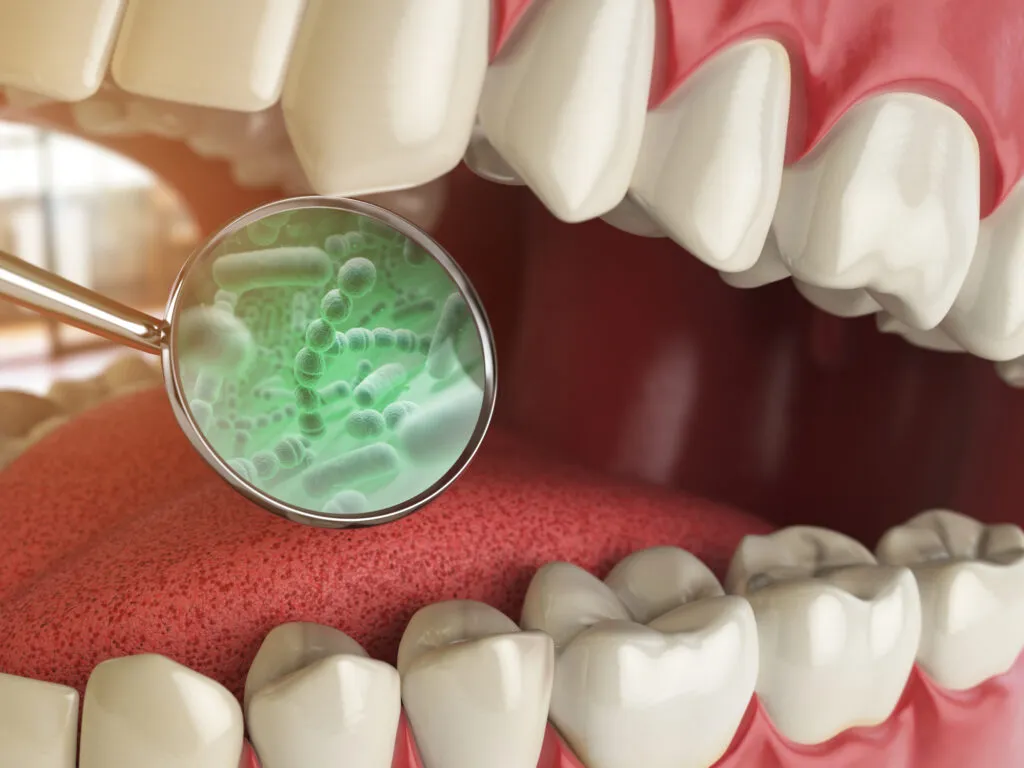
- Odor-causing bacteria — Odor-causing bacteria on the tongue can react with amino acids to produce volatile sulfur compounds. These can be particularly smelly.
- Ketoacidosis — Ketoacidosis occurs in people with diabetes. The resulting process can be poisonous in large numbers, creating a distinctive and unpleasant smell.
How to Prevent Bad Breath
As mentioned before, practicing good oral hygiene can manage and prevent bad breath. Make sure to brush your whole mouth, including the tongue, cheeks, and roof of your mouth.
If you have dentures, a retainer, or a mouth guard, brush it every night before placing it in your mouth. You should also consider quitting smoking to lower the risk of dry mouth and gum disease.
You can eat healthy food to stimulate saliva production, which can prevent dry mouth and bad breath. Lastly, visit your dentist twice yearly for a professional teeth cleaning and dental exam. These visits are essential for preventing oral health conditions and treating any issues early.
Halitosis (Bad Breath): Causes, Treatment, and Prevention
NewMouth PodcastSources
- Tungare et al. “Halitosis.” Treasure Island (FL): StatPearls Publishing, 2023.
- Khan et al. “Natural Products to Cure Bad Breath.” 2023.
- Khounganian et al. “Causes and Management of Halitosis: A Narrative Review.” Cureus. 2023.
- Hansanugrum, A., & Barringer, S.A. “Effect of Milk on the Deodorization of Malodorous Breath after Garlic Ingestion.” Journal of Food Science, 2010.
- Tahani B. & Sabzian R.” Effect of Camellia sinensis plant on decreasing the level of halitosis: A systematic review.” Dent Res J (Isfahan), 2018.
- Suzuki et al. “Two mechanisms of oral malodor inhibition by zinc ions.” J Appl Oral Sci, 2018.
- Karbalaei et al. “Alleviation of halitosis by use of probiotics and their protective mechanisms in the oral cavity.” New Microbes New Infect, 2021.
- American Dental Association. “Bad Breath: 6 Causes (and 6 Solutions).”

Licensed dental specialist focusing on personalized dental content writing and blogging.

Content contributor with health coaching background, skilled at simplifying dental concepts.
Related Articles

The Importance of Good Dental Health for Men
Key Takeaways Men are more likely than women to neglect their oral health and have higher rates of dental issues. Oral h...

What Is Geographic Tongue?
Geographic tongue is a harmless but annoying condition that can cause your tongue to feel dry and have a burning sensati...

Effects of Pregnancy on Oral Health
Learn about the effects of pregnancy on oral health and what measures you can take to keep your dental hygiene in tip-to...

Glossitis: What It Is, Symptoms, Causes, and Treatment
What is Glossitis? Glossitis is a condition characterized by tongue swelling and inflammation. It can also make your ton...