Types of Bone Grafts, Complications & Risks


Reader-supported. We may earn a commission from links on this page. Advertising disclosure.
In this article
What is a Dental Bone Graft?
Bone grafting is a minor surgical procedure that helps restore the structure and function of tooth-supporting tissues.
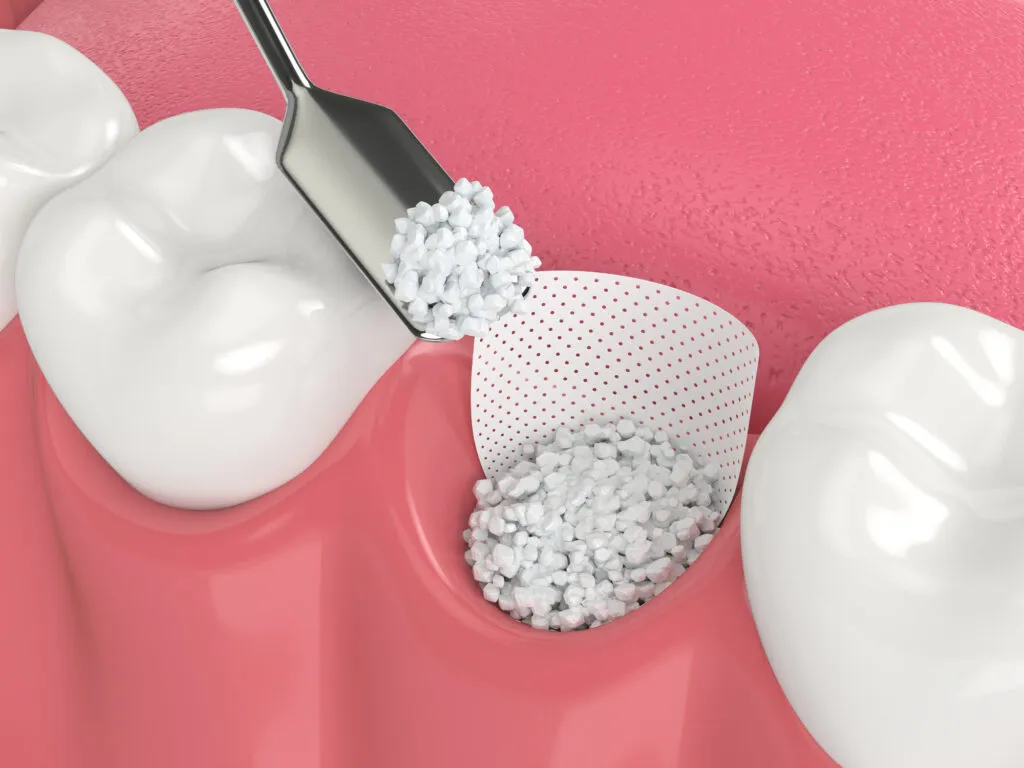
Bone loss is a common side effect of untreated periodontal disease (advanced gum disease). Your dentist may suggest a bone graft for this condition.
The graft may be taken from another area of your body, a donor, an animal, or made of synthetic materials. The bone graft material typically consists of processed bone minerals that help your body create new bone cells over time.
Ideal Candidates for Bone Grafts
You’re an ideal candidate for a bone grafting procedure if you:
- Are suffering from bone loss or damage
- Need to receive implants for missing teeth
- Have to rebuild your jawbone before getting dentures
- Are suffering from bone loss due to periodontal disease
- Do not smoke
- Do not have conditions that compromise your immune system, such as diabetes
- Are healthy
Who Shouldn’t Receive Bone Grafts?
On the other hand, you shouldn’t receive a bone grafting procedure if you:
- Smoke cigarettes
- Have any active infections
- Are immunocompromised or have immune deficiencies
- Are undergoing radiation and chemotherapy
- Are pregnant and/or nursing
Gum Disease and Bone Loss
Periodontal disease, or periodontitis, is an advanced form of gum disease that permanently damages the gums, bones, and surrounding tissues.
The long-term buildup of plaque and tartar (hardened plaque) initiates periodontitis.
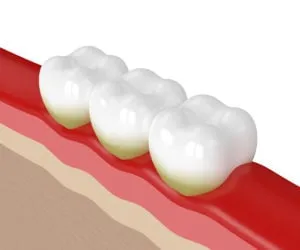
The gums become irritated and separate from your teeth, forming deep “periodontal pockets” below the gum line. Over time, plaque and tartar collect in these pockets.
If you do not get your teeth cleaned professionally, the disease will eventually result in soft tissue and bone loss. Your body does not naturally grow new bone cells, so a graft may be necessary.
Bone Grafts and Dental Implants
Bone grafts repair damaged bone and boost the chances of saving your teeth.
If tooth loss occurs due to periodontitis, you’ll need a dental implant placed after the bone graft heals.
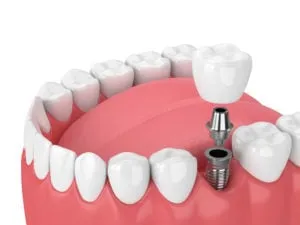
Implants are artificial teeth that mirror the shape of a screw and bond with your natural bone. You need strong and healthy natural bone to successfully support implant placement.
5 Types of Bone Grafts
There are five types of periodontal bone grafts available:
1. Autograft
An autograft is when a surgeon uses your bone for the graft. It is usually taken from the back of your jawbone or hip bone.
However, this type of graft isn’t the best option for everyone. Pain at the donor site can be severe and may cause primary challenges for certain people. Most surgeons use cadaver, animal, or synthetic bone grafts, and only an autograft in severe cases.
An autograft costs between $700 and $1,000 for a single area.
2. Allograft
If you’re not a candidate for an autograft, your oral surgeon may recommend an allograft. An allograft is when a surgeon sources a piece of human bone from a cadaver.
This procedure is a safe and more affordable alternative to an autograft. There is also a low risk of infection with cadaver donor bones.
An allograft costs between $700 and $1,000 for a single area.
3. Xenograft
A xenograft uses a piece of bone from an animal, typically a cow. This procedure is relatively successful. However, it has a lower success rate than an autograft or allograft since the bone comes from a different species.
A xenograft does not stimulate the body’s cells to form bone. It acts as a scaffolding into which your bone naturally grows.
A xenograft costs between $700 and $1,000 for a single area.
4. Alloplast
An alloplast uses a synthetic bone substitute consisting of phosphorus, hydroxylapatite, and calcium. This procedure poses no risk for disease transmission and can heal small defects by itself.
Like a xenograft, an alloplast does not stimulate your body’s cells to form new bone.
An alloplast costs between $700 and $1,000 for a single area.
5. Sinus Lift
If you’ve lost some back teeth, part of your sinus may begin to fall and fill in the missing teeth gaps. If this occurs, a sinus lift might be your best option. A sinus lift restores your sinus to its normal position and repairs the gap with a bone graft.
A sinus lift and a dental implant cost between $3,000 and $6,000.
What to Expect During a Dental Bone Graft
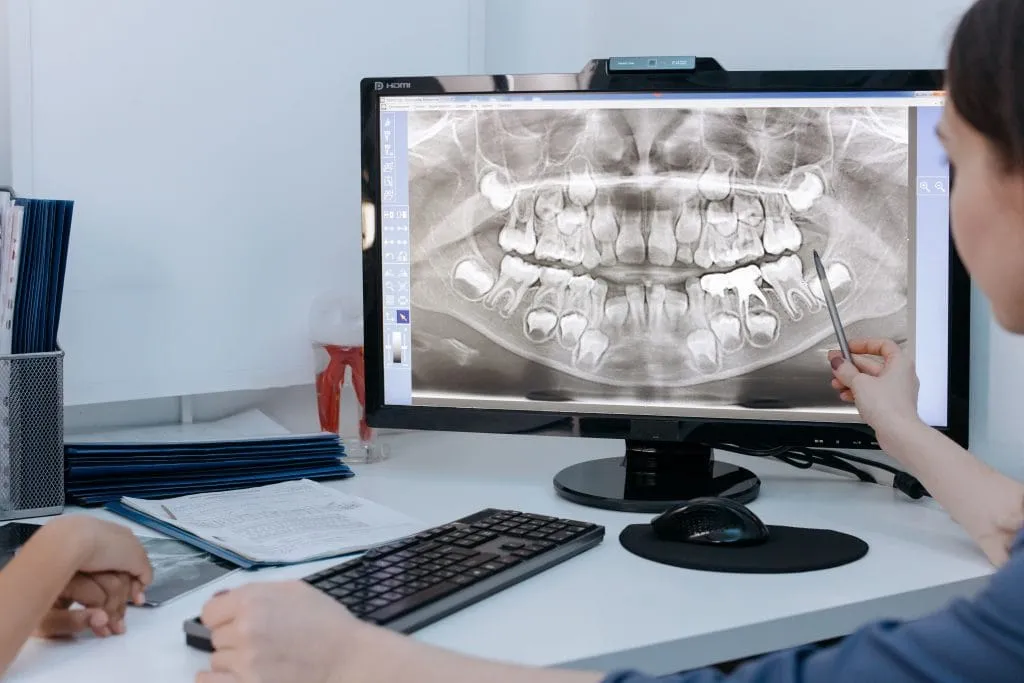
During a periodontal bone graft procedure, your dentist will thoroughly examine your gums, teeth, and jawbone. They may also perform a dental x-ray to determine any underlying problems.
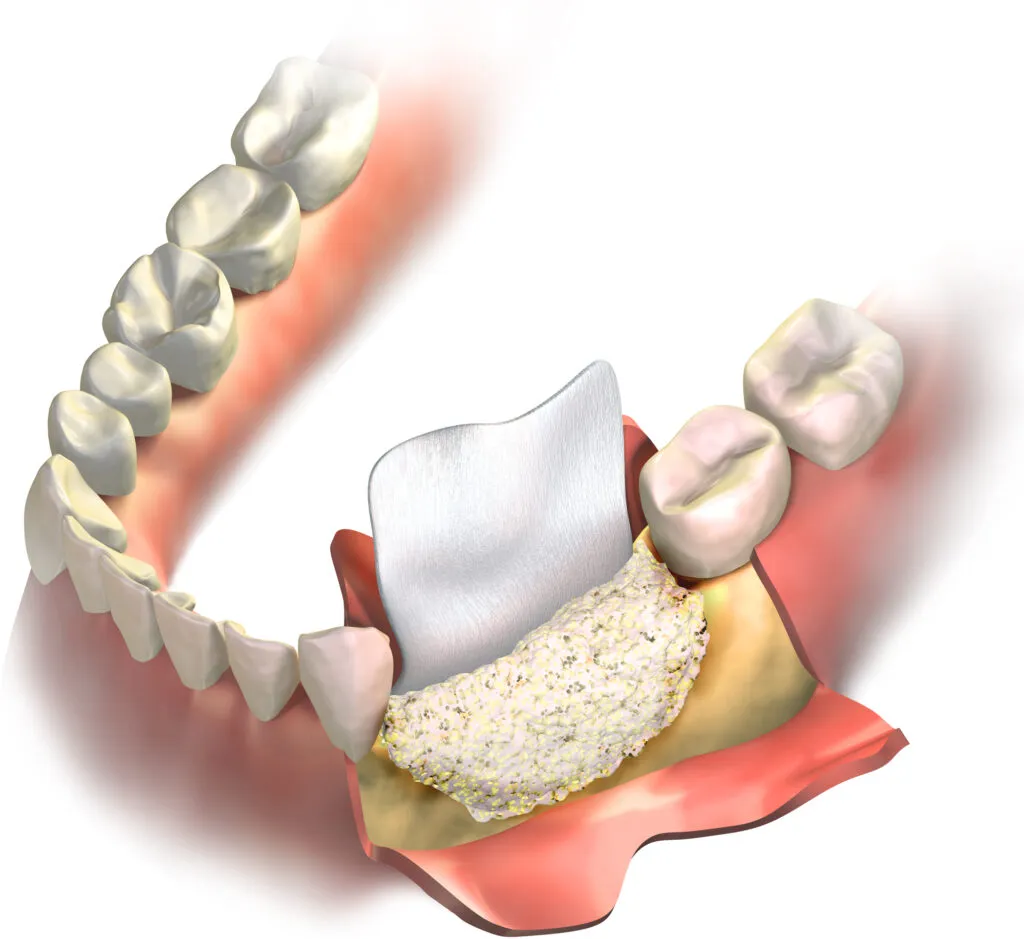
Here’s what to expect during a bone graft:
- Your doctor will numb the area where the bone graft will be placed.
- A tiny incision on your gums will be made.
- The area where the bone graft will be placed is cleaned and disinfected.
- Your doctor will place the bone graft into the defect.
- Special screws may be used to secure the graft. Your doctor may also use a special membrane for additional protection.
- The gum tissue is closed using sutures.
Do Dental Bone Grafts Hurt?
No, dental bone grafts shouldn’t hurt. In most cases, you won’t feel much at all during the procedure. However, it is possible to experience minor discomfort afterward.
Follow your doctor’s aftercare instructions to prevent any pain or discomfort.
Aftercare for Periodontal Bone Grafts
After a periodontal bone graft, you will most likely feel discomfort for a few weeks due to the anesthesia and incisions made during the procedure.
Post-operative pain is normal but should diminish after a few days. The bone graft should heal properly within four to six weeks.
It is also essential to only eat soft foods while your mouth heals, such as:
- Mashed potatoes
- Oatmeal
- Smoothies
- Cooked vegetables
- Scrambled eggs
Your doctor may also prescribe you anti-inflammatory medication for pain and antibiotics to prevent infections. Make sure to take these medications as directed.
Possible Side Effects and Complications of Bone Grafts
Normal side effects of a bone graft procedure include:
- Gum swelling
- Skin swelling or bruising
- Minor bleeding
- Difficulty eating, speaking, and chewing
In some cases, bone grafts can also result in health complications, such as:
- A negative reaction to anesthesia during the procedure
- Pain, swelling, and/or inflammation around the donor and grafting site
- Bleeding or infection
- Injuries affecting your nerves
- Your body may reject the bone graft
- Your body may resorb the graft
Summary
A dental bone graft helps restore lost bone and prevents further bone loss. There are many different types of bone grafts, and the best one depends on your needs and preferences.
In most cases, dental bone grafts shouldn’t hurt. Remember to follow your doctor’s post-procedure instructions to avoid pain or discomfort.
Sources
- Hollins, C. “Basic Guide to Dental Procedures.” John Wiley & Sons, Inc., 2015.
- “Periodontal (Gum) Disease: Causes, Symptoms, and Treatments.” NIH Publication, 2013.
- Shin, SY, et al. “Periodontal Regeneration.” Stem Cell Biology and Tissue Engineering in Dental Sciences, 2015.
- “What to Expect During Bone Grafting.” Delta Dental.
- Kumar P, Vinitha B, Fathima G. "Bone grafts in dentistry." J Pharm Bioallied Sci, 2013.
- Zhao, R, et al. "Bone Grafts and Substitutes in Dentistry: A Review of Current Trends and Developments." Molecules, 2021.

UCLA-trained dentist practicing in public health. Focuses on whole-body approach to dental care.

Web content writer specializing in making dental research accessible to diverse audiences.
Related Articles

Periodontists: Gum Disease Experts
A periodontist can help if you're looking for gum disease treatment. Learn why you should see them, what periodontal tre...
Full Mouth Debridement - Procedure, Costs & Prevention
What is Full Mouth Debridement? Full mouth debridement is a non-surgical dental procedure. It removes plaque and tartar...
Gum Graft Costs, Ways to Pay, and Benefits
A gum graft is a periodontal surgery that corrects receding gums. Find out how much it costs, if it's worth it, and what...

Tooth Hemisection: What It Is, When It's Necessary, and More
A tooth hemisection can be performed to remove the soft tissue in a tooth socket and allow for implant placement. Learn...