Dental Care for Teens and Young Adults (Life Stages)


Reader-supported. We may earn a commission from links on this page. Advertising disclosure.
In this article
Emphasizing proper dental care during your child’s teenage years will help keep their teeth healthy throughout life.
By age 12, most children have lost all their baby teeth, and all (or most) adult teeth have grown in. You only get one set of permanent teeth, so taking good care of them is essential.
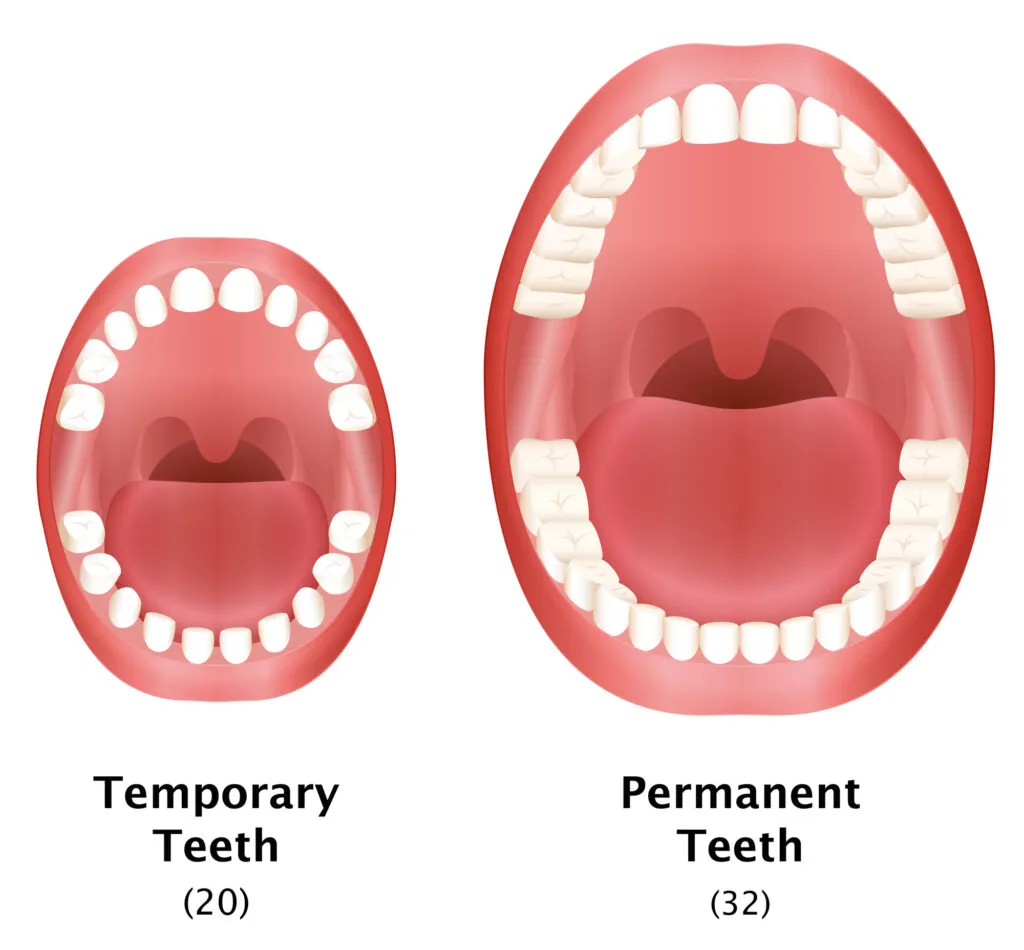
This article covers what you need to know about your teen’s oral health, including common concerns, treatments, and pediatric dentistry for teenagers.
Dental Care for Teenagers
Regarding dental health, teenagers face unique challenges compared to adults, such as:
- Wisdom teeth
- Orthodontic treatment
- Oral injuries from playing sports
- Experimenting with alcohol, tobacco, and other drugs
- Eating disorders, including anorexia and bulimia
- Oral piercings
Many dental issues that affect adults, such as tooth decay and gum disease, result from poor oral hygiene habits in the teenage years.
Oral Hygiene for Teenagers
It’s crucial for children to learn good oral hygiene habits early. Practicing these habits during the teenage years will help keep their teeth healthy into adulthood.
Oral hygiene tips for teenagers include:
- Gently brushing the teeth for two minutes, twice daily, with a soft-bristled toothbrush
- Using a pea-sized amount of toothpaste that contains fluoride
- Cleaning in between the teeth with string floss or a water flosser daily
- Drinking plenty of water to keep your mouth hydrated
- Eating a nutritious diet
- Limiting starchy and sugary foods like candy and chips
- Avoiding sugary soft drinks
- Getting regular dental check-ups and professional teeth cleanings from a pediatric or family dentist
The above tips will help prevent tooth decay, cavities, and gum disease.
Common Dental Treatments and Procedures for Teenagers
Braces, clear aligners, wisdom tooth removal, and whitening are among the most common dental procedures for teens and young adults:
Braces
The teenage years are a common time for orthodontic treatment. Braces are the most commonly used orthodontic treatment to fix a misaligned smile.
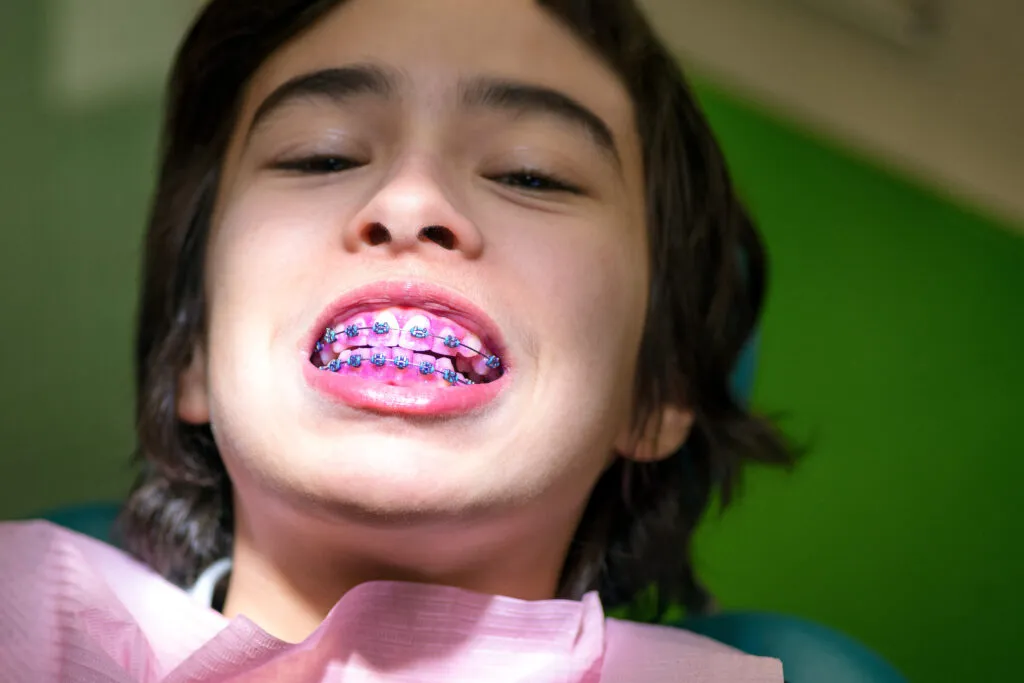
An orthodontist typically places braces when a child or teen is between 10 and 15. Older teens and young adults are also candidates for braces.
Clear Aligners
Clear aligners are also called invisible aligners. Invisible aligners correct misaligned or crooked teeth. They’re a custom, removable, and “invisible” alternative to braces.
Many teens and young adults choose clear aligners over braces because they’re removable and more aesthetically pleasing.
Teeth Whitening
Tooth whitening is a popular cosmetic treatment for teenagers and young adults who want a brighter smile. This may be especially true before big events like proms and graduation.

Some people whiten their teeth at home, while others go to the dentist for professional treatment. Talk to your dentist about the best option for your child.
Wisdom Teeth Removal
Wisdom teeth (third molars) typically erupt during the late teenage years or early adulthood. They’re the last set of molars to grow in.
Most people don’t have enough space in their mouths for wisdom teeth to grow in naturally. This is why they’re usually removed between ages 16 and 20. The extraction procedure prevents irregular eruptions and infections.
Periodontal Treatment
Puberty and menstruation can cause increased inflammation and gum sensitivity. As a result, teens are commonly diagnosed with gingivitis, the mildest form of gum disease.
Common symptoms of gingivitis include swollen, red, and bleeding gums. Prioritizing professional teeth cleanings and good oral health at home are the best remedies for mild gum disease.
If left untreated, gingivitis can advance to periodontal disease (severe gum disease) over time. This condition causes permanent oral health damage and requires intensive treatment.
Common Dental Concerns for Teenagers
The following are common concerns among teens and young adults:
Tobacco Products
Every day, about 2,000 teens under 18 try their first cigarette. Around 300 of those teens become regular cigarette smokers.
Smoking cigarettes has many harmful effects on oral health, including:
- Plaque and tartar buildup
- Dry mouth (xerostomia)
- Bad breath (halitosis)
- Oral cancer
- Gum disease
- Tooth discoloration
Eating Disorders
Mental health conditions like anorexia and bulimia have devastating effects on a teenager’s physical and emotional well-being.
Eating disorders can also lead to common oral conditions, including:
- Dental erosion — Frequent vomiting causes stomach acid to repeatedly flow over the teeth, wearing away tooth enamel and causing weak teeth.
- Nutritional deficiencies — Restricting food leads to vitamin deficiencies, which promotes gum disease and tooth decay. Bad breath, dry mouth, and canker sores can also develop.
Oral Injuries
Children and teenagers who play sports are at an increased risk for oral trauma. This includes jaw fractures, broken teeth, and injuries to the mouth’s soft tissues.
Mouth guards dramatically reduce the risk of oral injuries during sports. Make sure your child wears a mouth guard.
Oral Piercings
Many teens and young adults get oral piercings on the tongue or lips.
Mouth jewelry can lead to nerve damage, excessive drooling, and block X-rays during dental exams.
Alcohol and Drugs
Many teenagers begin experimenting with alcohol and other drugs. Teenagers are also more likely to binge drink, which can lead to alcohol addiction later on.
Alcoholism can result in serious oral health problems, such as:
- Periodontal disease — A severe condition that results in irreversible loss of bone and surrounding tissues.
- Oral cancer — A life-threatening disease involving the growth of mouth sores that don’t heal and worsen over time.
Excessive alcohol use can also increase the risk of dry mouth, bad breath, tooth decay, dental erosion, and gingivitis.
How To Choose a Pediatric Dentist for Your Teenager
Most pediatric dentists treat children until they’re 17 or 18. If your child fits in this age group, try scheduling a consultation with a potential dentist.
During the consultation, you and your teen will meet the dentist in their office to learn more about their work. No dental work will be done.
A dental consultation allows you and your teenager to speak with the dentist and staff. You can also get an overall feel of the practice.
Here are some things to consider when choosing a pediatric dentist for your teenager:
- The dentist’s experience
- The clinic’s atmosphere
- Availability
- Costs
- Insurance coverage
- Reviews (research practices online and ask friends for recommendations)
- How comfortable your teenager feels
- Treatments available
Summary
The teen years are a critical time for instilling good oral health habits. This age group faces many issues that don’t affect older adults, such as wisdom teeth eruption and orthodontic work.
Developing good oral health and hygiene practices during adolescence will protect adult teeth and reduce the risk of dental problems like cavities. Parents should work with their pediatric dentist to ensure optimal care.
Dental Care For Teens And Young Adults Life Stages
NewMouth PodcastSources
- “Oral Health Across the Lifespan: Adolescents.” National Institute of Dental and Craniofacial Research, 2021.
- “Cigarette Smoking.” Centers for Disease Control and Prevention, 2024.
- “Dental Health for Teens.” American Dental Association, nd.
- “Oral Piercings.” American Dental Association, nd.
- “Get the Facts About Underage Drinking.” National Institute on Alcohol Abuse and Alcoholism, 2023.
- “Youth and Tobacco.” FDA, 2022.

Experienced general dentist and adjunct professor. Advocates for preventive dentistry and dental education.

Lead content writer and certified nutritionist focusing on clear aligners and teeth whitening.
Related Articles
Oral Health Basics for Adults
Adult dental care is essential for maintaining your quality of life. Here are eight ways to maintain good oral health pl...

6 Tips to Teach Your Child About Dental Health
Discover everything you need to know about children's dental health, from losing baby teeth to common dental conditions...
What Are Common Oral Health Problems in Seniors?
Knowing the basics of senior dental care can avoid serious oral diseases and tooth loss. Here's everything you should kn...

Family Dentistry
What's the difference between family dentistry and general dentistry? Find out which type of dental care is right for yo...