Tooth Sensitive to Cold: Causes, Remedies, and Prevention


Reader-supported. We may earn a commission from links on this page. Advertising disclosure.
In this article
What is Tooth Sensitivity?
Many people notice their teeth are sensitive to cold food and drinks. Your teeth might feel sensitive to hot coffee, ice cream, and even cold air.
This is typically caused by exposed nerves in your teeth. These nerves may become exposed by worn tooth enamel or a receding gum line. They can also be a sign of tooth decay or gum disease.
Though painful, tooth hypersensitivity isn’t life-threatening and usually isn’t a major dental issue. Various remedies and professional treatments are available for sensitive teeth.
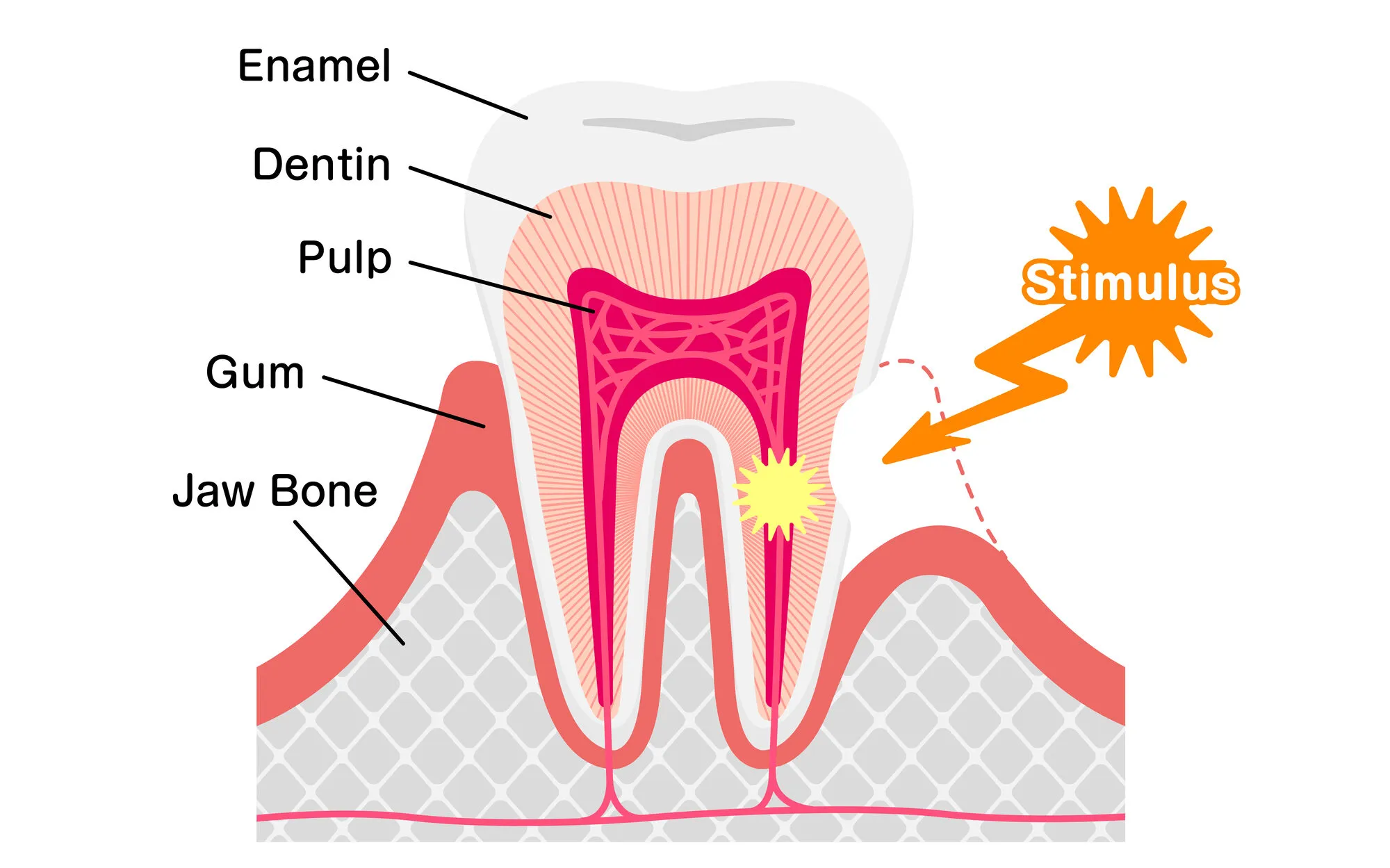
What Triggers Cold Sensitivity?
Cold sensitivity (as well as sensitivity to heat and other stimuli) generally comes from exposed dentin. Although the dentin itself isn’t full of nerve endings, it’s connected to the sensitive pulp at the center of the tooth.
Dentin exposure and tooth sensitivity to cold can come from several different causes:
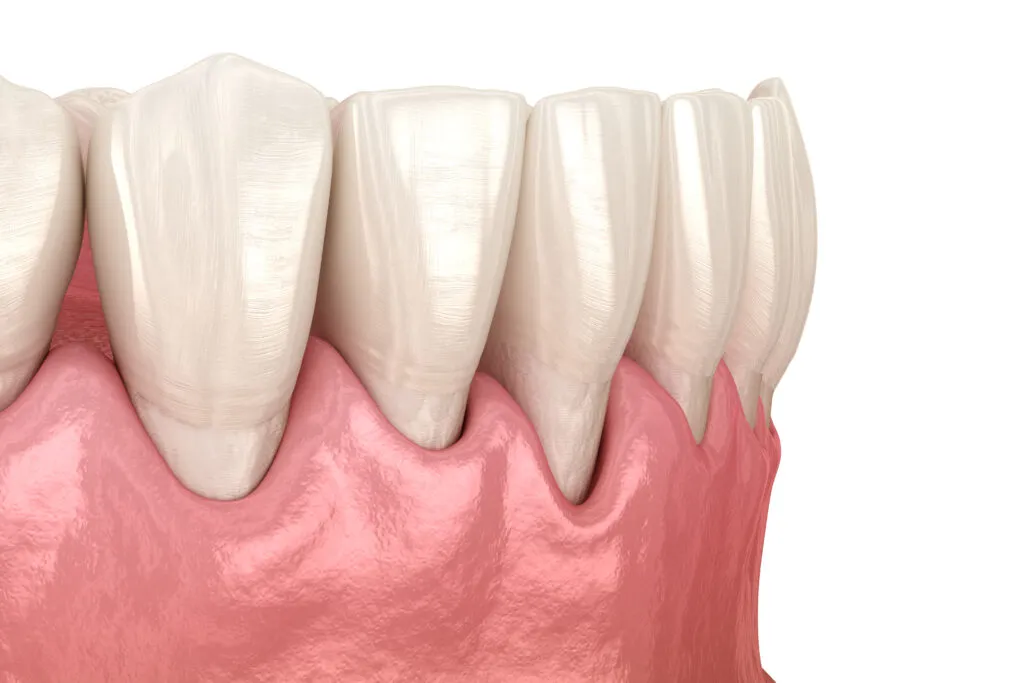
Receding Gums
Receding gums expose the roots of your teeth. Without gums to cover your teeth, you may feel painful sensations from cold air, food, or fluids.
The following can cause receding gums:
- Excessive or aggressive tooth brushing
- Smoking
- Underlying condition
- Genetics
- Aging
- Certain orthodontic or dental treatments
Worn Enamel
The enamel is a hard outer layer that protects the dentin and pulp. When the enamel is worn down, your teeth may become sensitive to the cold.
There are various factors that can contribute to a worn enamel, including:
- Aggressive or improper tooth brushing
- Acidic foods and drinks (wine, coffee, soda, certain fruits)
- Bruxism (teeth grinding)
- Gastrointestinal problems, such as acid reflux
- Dry mouth (xerostomia), with insufficient saliva to protect your teeth
- Certain dental procedures, including regular cleanings over a long period
Enamel isn’t living tissue, so it doesn’t grow back. However, weak tooth enamel can be remineralized and improved to some extent. Good oral hygiene and attention to diet can help preserve tooth enamel over time.
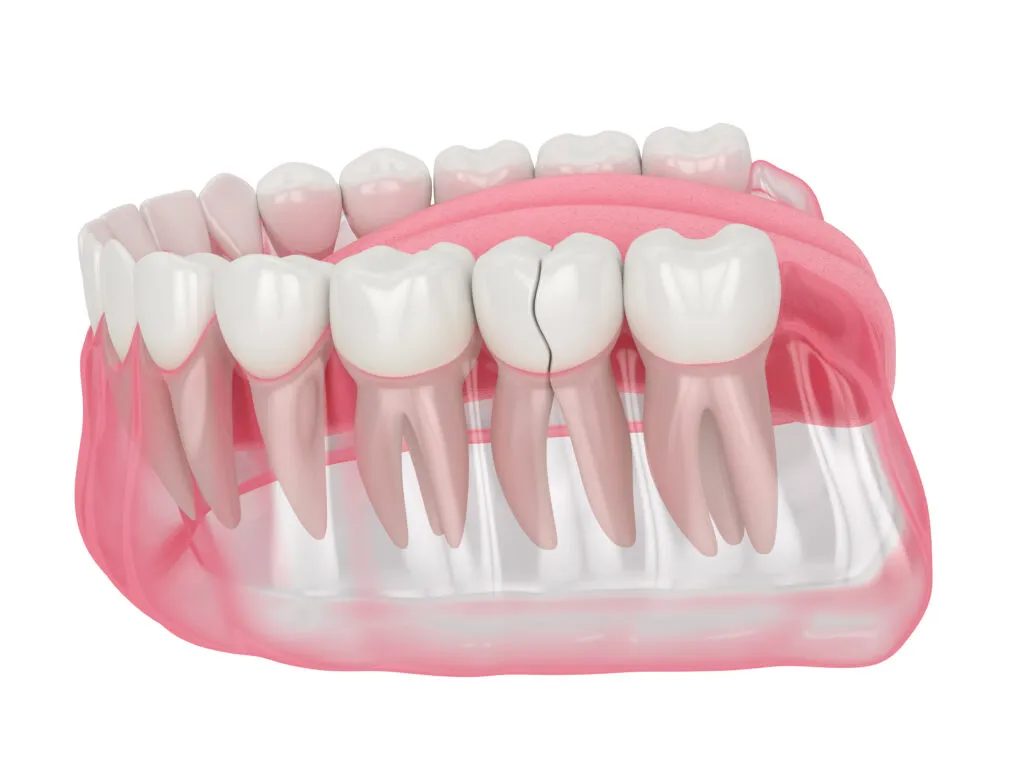
Cracked Teeth
Sometimes repeated stress or injuries can cause teeth to crack, resulting in tooth sensitivity. However, a cracked tooth may cause more problems than just sensitivity to cold.
In these cases, a dental professional will need to treat it. Consider wearing a mouthguard when playing sports or a night guard if you grind your teeth in your sleep.
Tooth Decay and Gum Disease
Tooth decay or gum disease can make your teeth sensitive, especially if you experience tooth pain without exposure to cold. These conditions can both result from poor oral hygiene.
Regular brushing and flossing will help keep your teeth and gums healthy. If you have concerns about tooth decay or gum disease, talk to a dentist or periodontist.
At-Home Remedies for Tooth Sensitivity
If you’re experiencing tooth sensitivity, it’s best to avoid foods that are likely to give you a hard time. You should especially avoid coffee, tea, alcohol, and sodas because they’re highly acidic and may contribute to enamel erosion.
Additionally, sugary foods can cause plaque buildup and increase the risk of tooth decay and gum disease. Avoid brushing your teeth aggressively, as it can wear down your enamel over time. Brush your teeth gently, and use a toothbrush with soft bristles to reduce irritation.
Lastly, consider using desensitizing toothpaste and mouthwash. These contain ingredients that can help seal exposed dentin and support enamel remineralization, reducing sensitivity over time. They’re also gentle on sensitive teeth.
When to See a Doctor for Sensitive Teeth
You may want to see a dentist if your tooth sensitivity extends to normal eating and oral hygiene practices. Home remedies won’t be able to do much in severe cases such as a cracked tooth, tooth decay, or gum disease.
A dentist will be able to determine the underlying cause of your tooth sensitivity through a thorough examination. Be sure to give your dentist accurate details about what’s causing tooth pain.
Professional Treatments for Sensitive Teeth
Your dentist may use non-invasive treatments, like desensitizers, to help fill in exposed dentin. If non-invasive methods fail to improve your condition, there are more intensive options available, such as:
- Bonding agents or cervical restorations — This procedure can seal the dentin in your teeth and reduce nerve exposure.
- Tissue grafting — This can restore the gum line and cover exposed roots.
- Root canal therapy — Root canal therapy isn’t normally used to treat hypersensitivity, but it can help eliminate it.
These procedures come with risks and aren’t offered as first-line treatments for sensitive teeth.
Talk to your dentist and share any concerns about your tooth sensitivity. They will ensure that all non-invasive options have been tried before considering more advanced ones.
How to Prevent Tooth Sensitivity?
While tooth sensitivity to cold can result from poor oral hygiene, it can also be hard to prevent. Aging and genetic factors may play a role in gum recession and enamel wear.
Fortunately, a lifetime of normal eating and oral hygiene may be enough to cause some sensitivity eventually. Try to maintain a balanced diet and clean your teeth properly to reduce the risk and degree of sensitive tooth pain.
Sources
- Dionysopoulos et al. “Dentin Hypersensitivity: Etiology, Diagnosis and Contemporary Therapeutic Approaches—A Review in Literature.” Applied Sciences, 2023.
- Markowitz K. “A new treatment alternative for sensitive teeth: A desensitizing oral rinse.” Journal of Dentistry, 2013.
- Haneet RK. & Vandana LK. “Prevalence of dentinal hypersensitivity and study of associated factors: a cross-sectional study based on the general dental population of Davangere, Karnataka, India.” International Dental Journal, 2016.
- Davari et al. “Dentin hypersensitivity: etiology, diagnosis and treatment; a literature review.” Journal of Dentistry, 2013.
- Clark D. & Levin L. “Non-surgical management of tooth hypersensitivity.” International Dental Journal, 2016.
- Blaizot et al. “Prevalence of sensitive teeth and associated factors: a multicentre, cross-sectional questionnaire survey in France.” BMC Oral Health, 2020.
- Jati et al. “Gingival recession: its causes and types, and the importance of orthodontic treatment.” Dental press journal of orthodontics, 2016.
- Daubert et al. “Human enamel thickness and ENAM polymorphism.” International journal of oral science, 2016.

Licensed dental specialist focusing on personalized dental content writing and blogging.

Experienced dental health writer dedicated to providing accurate, accessible information.
Related Articles

Do Cavity Fillings Hurt?
Do cavity fillings hurt? In this post, you'll learn how to tell if you have a cavity, what the pain level is during the...

Laser Teeth Whitening: Pros, Cons, & Costs
Laser teeth whitening uses light energy to break down stains on tooth enamel. Learn more about the cost and how it works...

How to Get Rid of Tonsil Stones Yourself: 6 Home Remedies
Are you wondering how to get rid of tonsil stones? This article lists six ways you can get rid of them yourself at home.

Supplemental Dental Insurance Plans
What is Supplemental Dental Insurance? Supplemental dental insurance is a plan that fills any gaps in your existing dent...