What Are Canker Sores? Causes, Types, and How They Heal


Reader-supported. We may earn a commission from links on this page. Advertising disclosure.
In this article
What Are Canker Sores?
Canker sores are small, shallow ulcers that form inside your mouth — on the inner lip, cheeks, gums, soft palate, or under the tongue. They are painful but rarely serious, and most heal on their own in 10 to 14 days.1,5
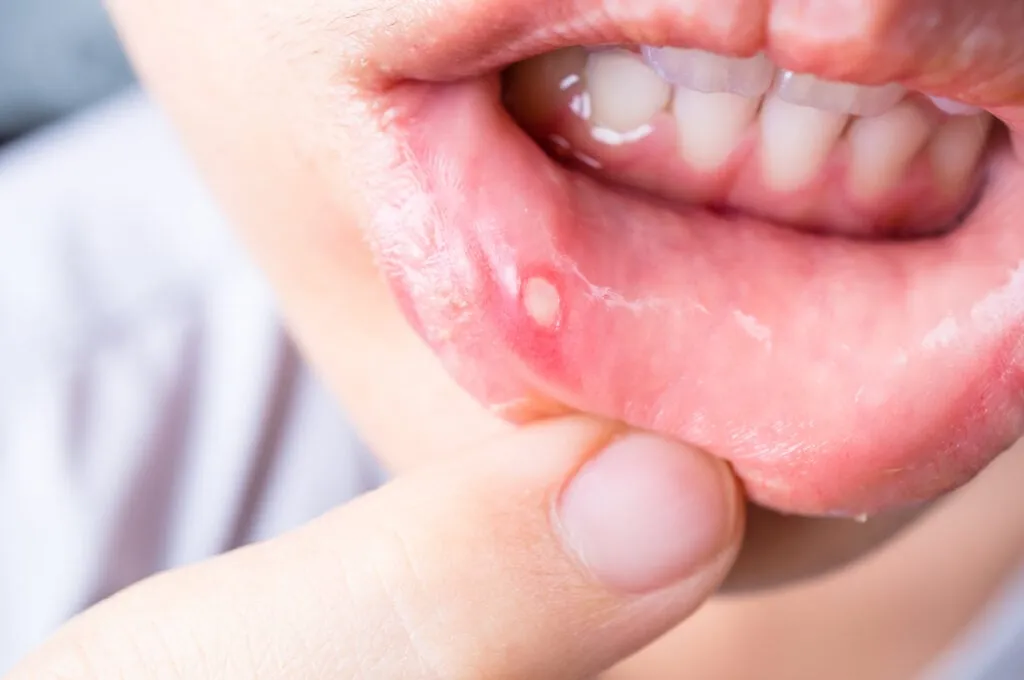
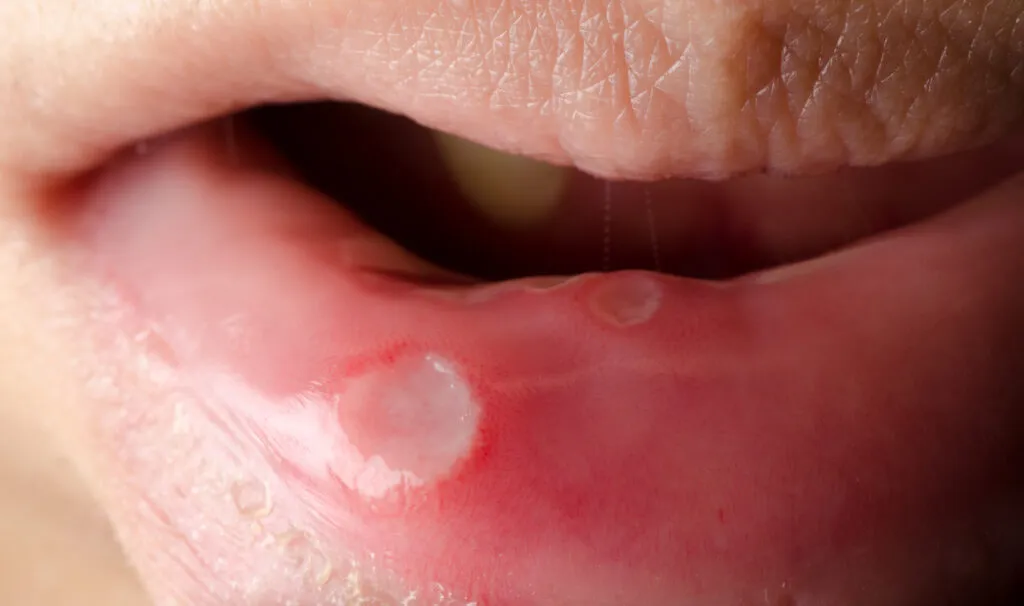
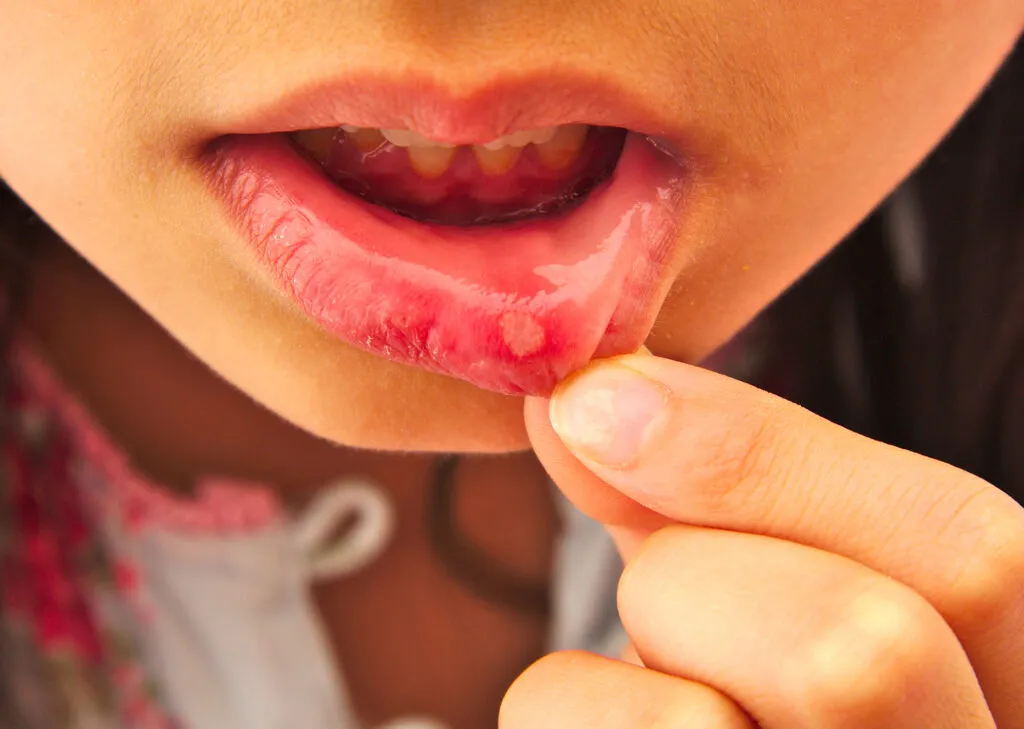
Canker sores are one common type of mouth ulcer, and they are also called aphthous ulcers. The classic canker sore is a small, round or oval sore with a white or yellow center and a red border. They are not contagious, not caused by a virus, and not the same as cold sores.2,6
Canker Sores at a Glance
- What causes canker sores in the mouth? Stress, minor mouth injury, food triggers (acidic, spicy, sometimes gluten or dairy), toothpaste containing sodium lauryl sulfate (SLS), hormonal shifts, and deficiencies in iron, zinc, vitamin B12, or folate are the most common triggers.1,2
- What gets rid of canker sores fast? Nothing makes a canker sore vanish overnight, but warm salt-water rinses, over-the-counter numbing gels, hydrogen peroxide rinses, and avoiding acidic foods can shorten the painful phase.3
- What gets mistaken for a canker sore? Cold sores (caused by HSV-1) on the outer lip, traumatic ulcers from cheek biting, and — rarely — oral cancer on the tongue or floor of the mouth.4,6
- Why does salt help canker sores? A warm salt-water rinse reduces irritation and helps clean the ulcer’s edge, which lets the sore heal more cleanly.3
Types of Canker Sores
Clinicians group canker sores into three forms.5,7 Most people only ever see the first type.
- Minor canker sores are the most common form. They measure less than 1 cm across, cause moderate pain, and heal within 10 to 14 days without scarring.2
- Major canker sores are larger than 1 cm, deeper, and more painful. They can last several weeks and may leave a small scar.2
- Herpetiform canker sores are uncommon and appear as clusters of 10 to 100 pinpoint ulcers that sometimes merge into one larger sore. Despite the name, they have no connection to the herpes virus and usually heal in one to two weeks.2
Where Do Canker Sores Form?
Canker sores form only inside the mouth — never on the outer lip surface or surrounding skin.1,2 They appear in these areas:
- The base of the gums
- Inside the cheeks
- Inside of the lips (inner lip)
- On the soft palate (back of the roof of the mouth)
- On or under the tongue
What Causes Canker Sores?
Researchers haven’t pinned down a single cause. Most cases trace back to a combination of triggers — minor mouth injury, stress, food sensitivities, nutritional gaps, or an underlying health condition.5,7 Common triggers include:
1. Minor Mouth Injuries
Small injuries to the soft tissue inside your mouth are the most frequent trigger. Common culprits include:1,2
- Accidental cheek or lip biting
- Aggressive brushing or a hard-bristled toothbrush
- Sports impacts to the mouth
- Dental work that scrapes or pinches soft tissue
- Sharp edges from braces or poorly fitting dentures
- Hard or crunchy foods that scratch the lining
2. Food Triggers and Sensitivities
Certain foods can spark a canker sore in people sensitive to them.1 The most common triggers are:
- Acidic foods (citrus, tomatoes, pineapple)
- Spicy foods
- Chocolate, coffee, and strawberries
- Dairy (in some people)
- Nuts
- Gluten (in people with celiac disease or non-celiac sensitivity)
3. SLS Toothpaste
Toothpaste containing sodium lauryl sulfate (SLS) — the foaming ingredient — can irritate the soft tissue inside your mouth and may trigger recurrent canker sores in some people.1 Switching to an SLS-free toothpaste is one of the simplest changes to try.
4. Nutritional and Vitamin Deficiencies
Low levels of certain nutrients are linked to recurrent canker sores.1,5,7 The most consistently cited deficiencies are:
- Iron
- Zinc
- Vitamin B12
- Folate (folic acid)
- Vitamin D
If your canker sores keep coming back, ask your dentist or doctor about testing for these deficiencies.
5. Hormonal Shifts
Hormonal changes appear to influence inflammation in the mouth, which is why some people notice canker sores around:5
- Their menstrual cycle
- Puberty
- Menopause
6. Stress and Fatigue
Emotional or physical stress is a well-recognized trigger. Stress raises inflammation in the body and seems to lower the mouth’s tolerance for minor irritation.1,5
7. Underlying Health Conditions
Frequent or severe canker sores can be a sign of a systemic condition.5,7 Conditions associated with recurrent aphthous ulcers include:
- Celiac disease (a reaction to gluten that damages the small intestine)
- Inflammatory bowel disease, including Crohn’s disease and ulcerative colitis
- Behçet disease (an inflammatory condition that affects multiple parts of the body)
- Lupus (an autoimmune disease that attacks the body’s own tissues)
- HIV and other conditions that weaken the immune system
People with HIV/AIDS, for example, sometimes develop larger and more frequent ulcers. The sores are not caused by the virus itself — they are a downstream effect of a weakened immune response.5
Symptoms of a Canker Sore
Most canker sores start with a tingling or burning sensation in one spot one to two days before the visible sore appears.2 A small round or oval ulcer then develops, with a white or yellow center and a red, inflamed border.
A typical canker sore feels worst for the first three to four days. Pain improves over about a week, and the sore fully heals in 10 to 14 days.3
Severe or major canker sores can also cause:2
- Swollen lymph nodes under the jaw
- A low-grade fever
- A general feeling of being unwell
Canker Sores vs. Cold Sores
Canker sores are not cold sores. They are noncontagious inflammations rather than infections.4
Cold sores are caused by the herpes simplex virus type 1 (HSV-1) and appear as small, fluid-filled blisters on the outside of the lip or around the mouth.4 Canker sores form inside the mouth, are not viral, and cannot be passed to another person.
Cold sores spread through close contact with someone who has an active outbreak, including:4
- Kissing
- Skin-to-skin contact with the affected area
- Sharing drinks, utensils, cups, or water bottles
- Sharing lip balm, razors, or toothbrushes
If your sore is on the outside of your lip, starts as a blister before it ulcerates, or recurs in the same spot, it is more likely a cold sore than a canker sore.
What Helps Canker Sores Heal
Canker sores do not disappear in 24 hours, but a few products can shorten the painful phase.3 Common options include:
- Numbing gels — over-the-counter benzocaine gels that dull pain at the sore
- Hydrogen peroxide rinses — products like Orajel Antiseptic Mouth Sore Rinse or Colgate Peroxyl that clean the ulcer and reduce irritation
- Topical corticosteroids — prescription pastes (such as fluocinonide) for larger or recurrent sores5
- OTC pain relievers — ibuprofen or acetaminophen for moderate pain
For a full treatment walkthrough — including step-by-step rinses, prescription options, and recurrence prevention — see How to Treat a Painful Ulcer on the Tongue or Gums.
Do not try to pop a canker sore. There is no fluid-filled blister to drain, and squeezing the area only deepens the wound.
Natural Canker Sore Remedies
A few at-home steps can reduce pain and support healing:3
- Rinse with warm salt water (about half a teaspoon of salt in 1 cup of warm water) several times a day
- Apply a small amount of milk of magnesia to the sore with a cotton swab
- Suck on ice chips to dull the pain
- Switch to an SLS-free toothpaste and a soft-bristled toothbrush
- Avoid acidic, spicy, and crunchy foods until the sore heals
7 Ways to Prevent Canker Sores
Most canker sores are a normal part of life, but a few habits can lower how often they show up.
- Limit acidic foods and drinks (citrus, tomatoes, coffee, fruit juice) if you notice they trigger sores
- Use an SLS-free toothpaste
- Brush with a soft-bristled toothbrush and floss daily to avoid irritating soft tissue
- Manage stress with sleep, exercise, or relaxation techniques you actually use
- Cut back on chewing gum if it irritates your cheeks
- Take a daily multivitamin if your diet is limited
- Ask your dentist or doctor about testing for iron, B12, folate, or zinc deficiency if sores keep returning
When to See a Dentist or Doctor
Most canker sores heal on their own and do not need professional care. See a dentist or doctor if you have:2,6,8
- A sore that lasts longer than two weeks
- A sore larger than 1 cm (about the size of a pencil eraser) or that keeps growing
- Three or more canker sores at the same time, or frequent recurrences (more than two or three episodes per year)
- Severe pain that makes it hard to eat, drink, or sleep
- A fever, swollen lymph nodes, or feeling generally unwell along with the sore
- A sore that is painless, hard, or unusually colored — these can be early signs of oral cancer rather than a canker sore
A dentist can rule out look-alike conditions, prescribe a stronger topical treatment if needed, and check for underlying causes when canker sores keep coming back.
- Cleveland Clinic. "Canker Sores." Cleveland Clinic, 18 Sept. 2025.
- Mayo Clinic Staff. "Canker Sore." Mayo Clinic, Mayo Foundation for Medical Education and Research, n.d.
- MedlinePlus. "Canker Sore." U.S. National Library of Medicine, reviewed 3 Apr. 2025.
- National Institute of Dental and Craniofacial Research. "Fever Blisters & Canker Sores." National Institutes of Health, last reviewed Dec. 2024.
- Plewa, Michael C., and Kingshuk Chatterjee. "Recurrent Aphthous Stomatitis." StatPearls, StatPearls Publishing, updated 13 Nov. 2023.
- Edgar, N.R., et al. "Recurrent Aphthous Stomatitis: A Review." The Journal of Clinical and Aesthetic Dermatology, Matrix Medical Communications, Mar. 2017.
- Scully, C., and R. Shotts. "Mouth Ulcers and Other Causes of Orofacial Soreness and Pain." Western Journal of Medicine, BMJ Publishing Group, 2001.
- National Institute of Dental and Craniofacial Research. "Oral Cancer." National Institutes of Health, last reviewed Nov. 2024.
Canker Sores Types, Causes, and How to Get Rid of Them
NewMouth PodcastSources
- Cleveland Clinic. "Canker Sores." Cleveland Clinic, 18 Sept. 2025.
- Mayo Clinic Staff. "Canker Sore." Mayo Clinic, Mayo Foundation for Medical Education and Research, n.d.
- MedlinePlus. "Canker Sore." U.S. National Library of Medicine, reviewed 3 Apr. 2025.
- National Institute of Dental and Craniofacial Research. "Fever Blisters & Canker Sores." National Institutes of Health, last reviewed Dec. 2024.
- Plewa, Michael C., and Kingshuk Chatterjee. "Recurrent Aphthous Stomatitis." StatPearls, StatPearls Publishing, updated 13 Nov. 2023.
- Edgar, N.R., et al. "Recurrent Aphthous Stomatitis: A Review." The Journal of Clinical and Aesthetic Dermatology, Matrix Medical Communications, Mar. 2017.
- Scully, C., and R. Shotts. "Mouth Ulcers and Other Causes of Orofacial Soreness and Pain." Western Journal of Medicine, BMJ Publishing Group, 2001.
- National Institute of Dental and Craniofacial Research. "Oral Cancer." National Institutes of Health, last reviewed Nov. 2024.

Experienced general dentist and adjunct professor. Advocates for preventive dentistry and dental education.

Lead content writer and certified nutritionist focusing on clear aligners and teeth whitening.
Related Articles

Alzheimer's and Oral Health
A recent study has linked gum disease to Alzheimer's. This article talks about these two conditions and their connection...

5 Best Cordless Water Flossers for 2026
Looking for the best cordless water flosser? Here are our top 5 picks. We analyzed dozens of products available to help...
The Best Night Guards for Bruxism, According to Dentists
We rate SmileSet the best night guard for teeth grinding in 2026, with JS Dental Lab, Pro Teeth Guard, Sporting Smiles,...
Braces Statistics and Facts
Twisted, squeezed together, or stubbornly hiding, your teeth can surprise you in many ways. No wonder orthodontics brace...