Effects of Pregnancy on Oral Health


Reader-supported. We may earn a commission from links on this page. Advertising disclosure.
In this article
Pregnancy can be a vulnerable time for the oral health of both mother and baby. It’s vital to practice excellent dental hygiene during pregnancy.
Many women experience dental problems while they’re pregnant. A mother’s oral health also is a strong predictor of how her child’s oral health will be.
Being vigilant about your dental care can keep you and your baby healthy.
How Does Pregnancy Impact Oral Health?
Your body undergoes many changes during pregnancy. These changes can lead to dental problems if you aren’t vigilant about oral hygiene.
Factors that can impact oral health during pregnancy include:
- Hormonal fluctuations
- Changes in eating habits
- Morning sickness
- Neglect of oral hygiene
Many women don’t realize the necessity of good oral health during pregnancy and tend to neglect dentist visits. Studies show that more than half of women did not see the dentist during pregnancy.
Other women may experience increased fatigue or tenderness in the gums and may avoid cleaning their teeth as a result.
However, it’s essential to continue practicing diligent oral hygiene and to visit the dentist during pregnancy. It will help manage any dental conditions that might arise and ensure good dental health for your child.

Common Dental Conditions in Pregnancy
Pregnant women are at a higher risk of developing certain dental conditions. Hormonal, habitual, and physical changes can all affect your oral health.
The most common dental conditions that occur during pregnancy include:
Gingivitis
Gingivitis is characterized as the inflammation of the gums. It’s a reversible early stage of periodontal disease. Your dentist or dental hygienist can treat it with a professional teeth cleaning.
Between 60 and 75% of pregnant women develop gingivitis. The hormone changes associated with pregnancy can increase inflammation in the body. You might notice your gums becoming red, swollen, and tender while pregnant.
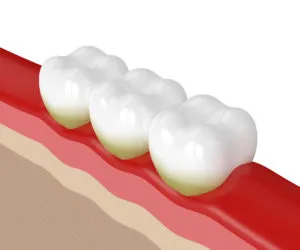
Left untreated, gingivitis will advance into the later stages of periodontal disease, which can result in permanent bone loss. It can also lead to preterm birth or low birth weight.
Cavities
Cavities form due to a buildup of plaque, the sticky film of bacteria that forms on teeth. It’s common for pregnant women to develop cavities from frequent snacking due to cravings or increased appetite.
However, untreated cavities can have a negative impact on your child’s dental health. If you have untreated cavities before pregnancy or develop them during pregnancy, the decay-causing bacteria can transfer to your baby after birth.
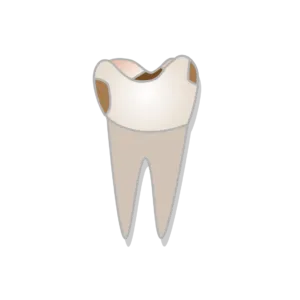
Transmission can occur through direct contact, such as sharing utensils or kissing your baby on the lips. Research shows that children are three times more likely to develop cavities if their mothers have high levels of untreated tooth decay.
To prevent the spread of cavities from mother to baby, your dentist will recommend restoring them as soon as possible. Basic dental procedures, such as fillings and crowns, are safe during pregnancy.
Loose Teeth
Some women experience loose teeth during pregnancy, which is usually nothing to worry about. Estrogen and progesterone can loosen the bones and ligaments that keep your teeth positioned correctly.
After pregnancy, your teeth should not feel loose anymore. However, if a tooth falls out while pregnant, it is typically due to an underlying untreated dental condition, such as extreme decay or periodontal disease.
Dental Erosion
Around 70% of women experience nausea and vomiting during pregnancy, usually in the first trimester. There is nothing to worry about as long as you practice good oral hygiene.
However, prolonged vomiting can expose your teeth to high amounts of stomach acid. Stomach acid can wear away at your tooth enamel, causing dental erosion.
It’s crucial to keep your teeth clean and healthy if you experience a lot of vomiting and morning sickness during pregnancy.
Keeping Your Oral Health Intact During Pregnancy
Regular cleanings, proper brushing habits, and timely dental exams help protect your oral health during pregnancy:
Regular Cleanings and Dental Exams
Teeth cleanings, x-rays, and dental exams are safe during pregnancy.
You should still visit your dentist every six months to receive preventive care. Depending on your situation, a dentist may even recommend more visits while you are pregnant.
Dentists recommend scheduling appointments before the third trimester if you need restorative work done.
For invasive procedures that involve sedatives, such as dental implants, it may be best to wait until after you give birth. Teeth whitening, clear aligners, and cosmetic treatments should also be scheduled after your baby arrives.
Food Choices and Nutrition
Abnormal and unhealthy food cravings are normal during pregnancy.
Even so, eating enough healthy foods throughout pregnancy is vital to keep your teeth healthy and help your baby’s teeth form properly. This includes a mixture of fruits, vegetables, proteins, and unrefined grains.
According to the American Dental Association (ADA), your baby’s teeth begin developing under the gums between the 3rd and 6th months of pregnancy. Eating a nutritious and balanced diet can help them form correctly.
Practicing Good Oral Hygiene at Home
The best thing you can do to keep your teeth healthy during pregnancy is to care for your teeth every day. You should:
- Brush your teeth twice daily with fluoride toothpaste
- Floss at least once daily
- Rinse your mouth with baking soda and water after vomiting
- Avoid food and drinks high in sugar
- Drink fluoridated water
Keeping Your Baby’s Oral Health Intact After Pregnancy
It is equally important to keep your baby’s oral condition healthy. Understanding how early experiences impact your child’s dental health will help you ensure their positive development.
Preventing Baby Bottle Tooth Decay
A baby’s first tooth erupts no later than 1 year of age.
Excessive bottle feeding or allowing a baby to drink from a bottle in bed can result in tooth decay. If the substance in the bottle is anything but water, the front teeth will bathe in it, ultimately causing cavities.
To help prevent tooth decay, dentists recommend utilizing these tips:
- Visit a pediatric dentist regularly — Your child will need routine teeth cleanings and exams after their first tooth erupts
- Check for decay — Routinely check newly erupted teeth for signs of decay, such as tooth sensitivity and light brown spots on the enamel
- Use fluoride — Give your baby fluoridated water to drink, and brush their teeth with fluoride toothpaste
- Clean their gums — Wipe your baby’s gums after breastfeeding or bottle-feeding
- Practice good bedtime habits — Never send your baby to bed with a bottle
- Cut back on sugary drinks — Beverages that are high in sugar, like fruit juice, can promote tooth decay
Breastfeeding and Dental Health
Breast milk contains sugar, which can contribute to tooth decay. Always wipe your baby’s gums with a soft washcloth after breastfeeding. Cleaning the gums helps reduce the chance of cavity formation once primary teeth grow in.
Breastfeeding during the first year of life has a few oral health benefits, including:
- Reduces the risk of baby bottle tooth decay
- May promote the development of a better bite, reducing the need for orthodontic treatment later in life
Summary
Pregnancy can lead to dental problems for both mother and baby. Good oral hygiene can help prevent and manage common issues such as gingivitis, cavities, and dental erosion.
You should continue to see your dentist regularly during pregnancy. It’s safe to get routine dental cleanings and procedures while pregnant.
Excellent oral hygiene practices can ensure positive dental health for your child. Untreated gum disease or cavities can increase your baby’s chances of having tooth decay later in life.
Effects of Pregnancy on Oral Health
NewMouth PodcastSources
- “Oral Health Care During Pregnancy and Through the Lifespan.” The American College of Obstetricians and Gynecologists, 2013.
- Hartnett, E., et al. “Oral Health in Pregnancy.” Journal of Obstetric, Gynecologic & Neonatal Nursing, Elsevier Inc., 2016.
- Kruse, A., et al. “Association between high risk for preterm birth and changes in gingiva parameters during pregnancy—a prospective cohort study.” Clinical Oral Investigations, SpringerLink, 2017.
- “Talking to Pregnant Women about Oral Health.” Centers for Disease Control and Prevention, U.S. Department of Health and Human Services, 2024.
- Lee, N., et al. “Nausea and Vomiting of Pregnancy.” Gastroenterology Clinics of North America, National Library of Medicine, 2013.
- “Tips for Good Oral Health During Pregnancy.” Maryland Department of Health, Maryland.gov, 2023.
- Skouteris, C. “Dental Management of the Pregnant Patient.” Wiley-Blackwell, 2018.

Experienced general dentist and adjunct professor. Advocates for preventive dentistry and dental education.

Content contributor with health coaching background, skilled at simplifying dental concepts.
Related Articles

Is It Safe to Get Dental X-Rays During Pregnancy?
Dental X-rays give dentists a detailed view of your teeth and jaw—even the parts they can't see with a regular checkup....
Dental Calculus Causes & Treatment
This article will discuss dental calculus buildup, its effects on teeth and gums, how to prevent its development, and ho...

The Effects of Food on Dental Hygiene and Health
Learn how your overall health affects your oral health through nutrition, medications, medical conditions, and more. We...

Medications That Affect Teeth & Gum Health
Certain medications can affect your teeth and gums. Understand the most common oral health conditions caused by medicati...